Trying to choose between a classic Back Bay brownstone and a full-service luxury tower? You are not alone. In Back Bay, both options can put you in one of Boston’s most recognizable neighborhoods, but they offer very different day-to-day living experiences. If you are weighing charm against convenience, this guide will help you compare layouts, light, amenities, parking, and pricing so you can decide what fits your life best. Let’s dive in.
Back Bay Rentals at a Glance
Back Bay is both an official Boston neighborhood and a protected historic district. That matters because many brownstone buildings are shaped by preservation rules that help maintain original exterior details like masonry and window openings.
For you as a renter, that often means brownstones deliver more architectural character and less standardization. At the same time, Back Bay also has modern high-rise apartments and condos that offer a very different rental experience. Today, the neighborhood remains a premium rental market within Boston, so the real question is usually not whether Back Bay is expensive, but what you are paying for.
Brownstone Rentals: What You Get
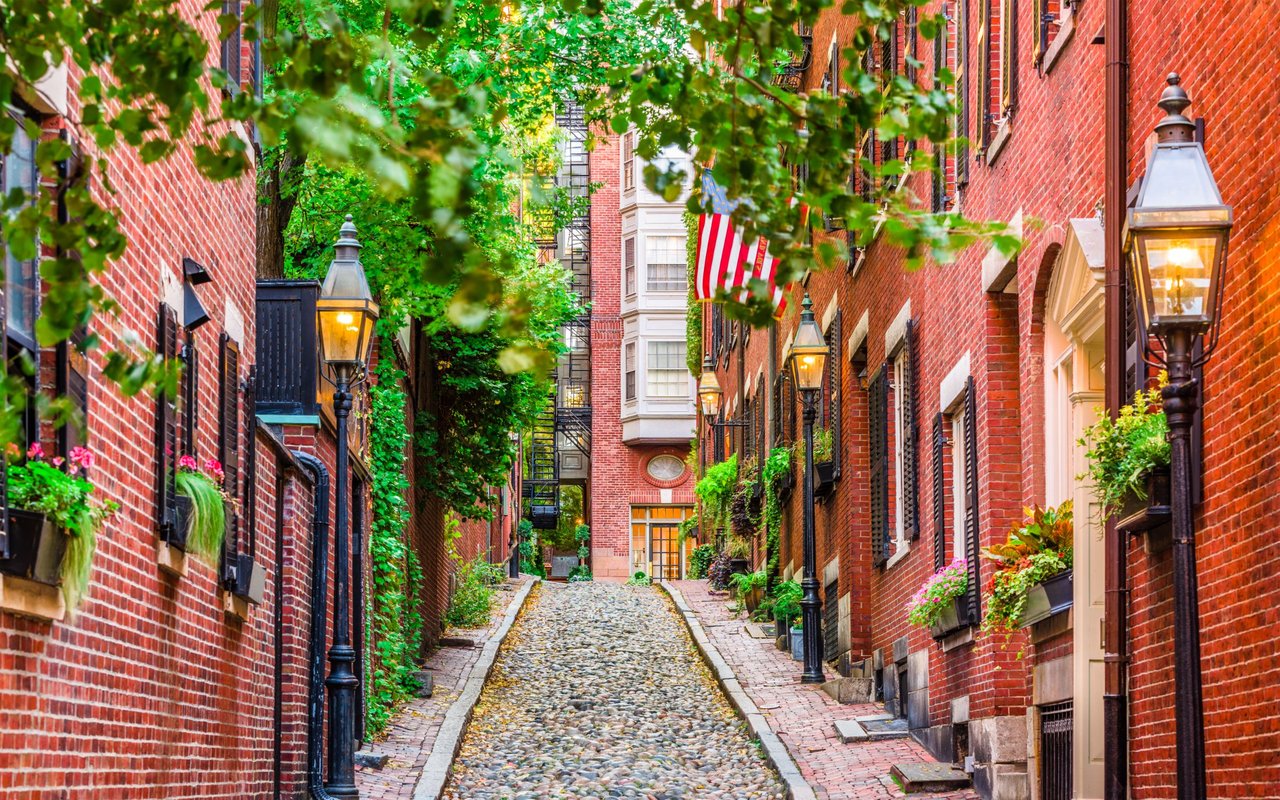
Brownstone rentals in Back Bay usually appeal to renters who want a home with personality. Features like bay windows, fireplaces, exposed brick, hardwood floors, and private outdoor space can be part of the draw, depending on the specific unit.
The tradeoff is variety. One brownstone apartment may feel compact and efficient, while another may offer a large floor-through layout with far more room than you expect. Current examples in Back Bay range from smaller studio and one-bedroom homes to a furnished two-bedroom at 342 Marlborough with more than 1,600 square feet, a private garden, and deeded parking.
Brownstone Layouts Can Vary
If you rent in a brownstone, you should expect less predictability from one building to the next. A unit at 117 Beacon, for example, includes two- and three-bedroom floor plans, while other brownstones may offer smaller, more segmented layouts.
That can be a real advantage if you want something unique. It can also mean you need to look carefully at each floor plan instead of assuming every unit in the area will feel the same.
Brownstones Prioritize Character Over Services
In most brownstones, the value is inside the apartment and outside your front door. You are often paying for architectural detail, location, and a lower-rise living experience rather than a long list of building services.
Shared amenities tend to be limited. Instead, listings often highlight practical in-unit features like kitchens, laundry access, hardwood floors, or utility inclusion.
Luxury Towers: What You Get
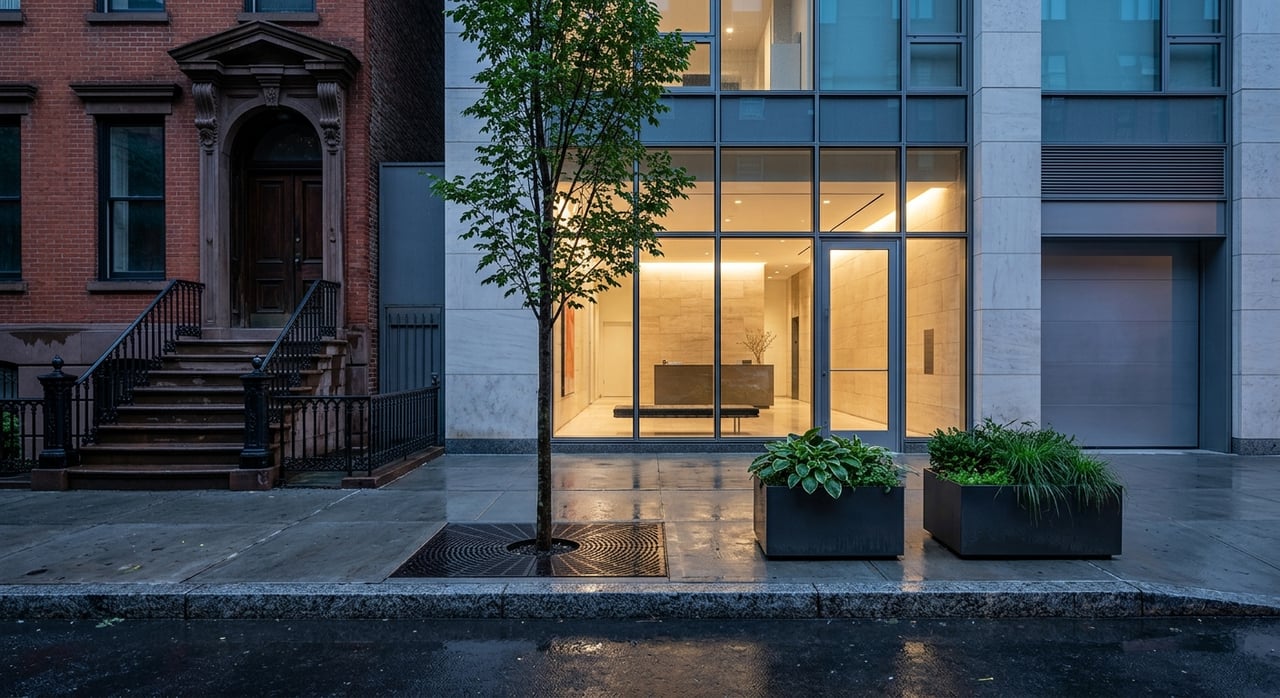
Luxury towers in Back Bay are designed for consistency and convenience. If you want a more predictable move-in process, polished common areas, elevators, package handling, and on-site amenities, a tower lease may feel much easier to manage.
Current examples show how standardized these buildings can be. At 212 Stuart, floor plans range from studios to three-bedroom and townhome-style homes from 491 to 2,135 square feet. At 30 Dalton, current one- to three-bedroom plans range from 655 to 1,806 square feet.
Tower Layouts Feel More Predictable
In a newer tower, you are more likely to get a consistent finish package and a clear sense of what your apartment will look like before move-in. That can be especially helpful if you are relocating, moving on a tight timeline, or simply do not want surprises.
While towers still offer a range of sizes and price points, the apartment product usually feels more uniform than in older brownstone stock. For many renters, that predictability is part of the value.
Towers Emphasize Amenities and Service
Luxury towers are often built around lifestyle services. Current amenity lists at 212 Stuart include concierge, a fitness center, roof terrace, clubhouse or lounge, package service, business center, conference rooms, a pet washing station, and furnished unit options.
30 Dalton also highlights 24-hour concierge service, a fitness center on the 26th floor, conference space, a skyline suite, and access to valet parking. If you want a turnkey lease experience with fewer daily logistics, this kind of setup can make a big difference.
Natural Light and Views
If natural light and skyline views are high on your list, towers usually have the edge. Buildings like 212 Stuart and 30 Dalton market floor-to-ceiling windows and broad city views, which create a brighter, more open feel.
Brownstones can still be bright, but the result is often more dependent on the individual unit. Exposure, floor level, and orientation matter more, and historic district preservation helps keep original window openings in place rather than allowing broad redesigns.
Brownstone Light Feels Different
In a brownstone, light is often tied to classic architectural details rather than all-glass walls. You may find bay windows, tall windows, or a sun-filled corner unit, but the effect tends to be more varied and less dramatic than in a tower.
If you love warmth and texture, that can be a plus. If you want sweeping views and a glass-heavy look, a modern building will likely be a better match.
Parking in Back Bay Matters More Than You Think
Parking can be one of the biggest practical differences between these two rental styles. In 2024, Boston changed curb use in Back Bay and converted many former meter spaces into resident permit parking. The city’s resident parking rules also make clear that most spaces in resident-permit areas are reserved for residents.
That does not mean you cannot have a car in Back Bay. It does mean you should not assume parking will be simple, especially if you are comparing a smaller brownstone with a full-service tower.
Tower Parking Is Clearer, but Costly
In a luxury tower, parking terms are usually easier to understand upfront. Current listings at 212 Stuart show garage parking at $550 per month, while 30 Dalton lists reserved parking at $650 to $700 per month and notes access to valet parking through its concierge setup.
That clarity can be helpful if you need a car and want a defined monthly cost. The downside is obvious: parking can add a substantial amount to your lease.
Brownstone Parking Is Less Predictable
Brownstone parking depends heavily on the building and the unit. One listing may offer only street parking, while another may include off-street or deeded parking.
That variability means you should ask very specific questions before signing. If parking is essential, this is one of the clearest areas where building-level knowledge can save you time.
Back Bay Rent Ranges by Building Type
Back Bay rents are best understood as a range, not one fixed average. Recent neighborhood snapshots place Back Bay roughly around $3,900 to $4,800 on average measures, with studios generally in the mid-$2,000s to mid-$3,000s, one-bedrooms around the low-$3,000s to low-$4,000s, and two-bedrooms often in the mid-$4,000s to high-$5,000s.
That spread reflects different data sources, timing, and inventory mix. It also shows why comparing brownstones and towers requires more than looking at a headline average.
Brownstone Prices Can Swing Widely
Current brownstone examples show a broad pricing range. At 179 Saint Botolph, studio and one-bedroom pricing is currently shown from $1,875 to $2,625 total monthly price. At 117 Beacon, a two-bedroom is listed at $4,025 and a three-bedroom at $5,560.
At the upper end, a furnished two-bedroom at 342 Marlborough is listed at $10,000 and includes more than 1,600 square feet, a private garden, and a deeded parking space. In other words, brownstones are not automatically the lower-cost option.
Tower Rents Usually Start Higher
Current tower examples generally begin at a higher price point and rise quickly. At 212 Stuart, current total monthly pricing runs from $4,031 to $17,931, with studios starting around $4,248 and one-bedrooms around $5,063.
At 30 Dalton, one- to three-bedroom pricing is currently listed from $5,063 to $25,830. That is a strong sign that full-service buildings often command a premium, especially once parking and amenity-related costs are part of the full monthly picture.
Which Rental Style Fits You Best?
The right choice usually comes down to how you want to live, not just what you want to spend. Both building types can work well in Back Bay, but they suit different priorities.
Choose a Brownstone if You Want Character
A brownstone may be the better fit if you value:
- Historic detail and a more classic Back Bay feel
- Features like bay windows, fireplaces, exposed brick, or private outdoor space
- The possibility of a larger or more distinctive floor plan
- A quieter low-rise setting
- Less interest in shared amenities like gyms, lounges, or concierge service
Choose a Luxury Tower if You Want Convenience
A luxury tower may be the better fit if you value:
- A more predictable apartment product
- Concierge service and easier package handling
- Elevators and managed common areas
- On-site fitness, roof decks, lounges, or conference space
- Clearer parking options, even at a premium cost
- A more turnkey move-in and day-to-day experience
The Real Decision: Character or Convenience
In Back Bay, brownstones usually buy you character, and sometimes better space efficiency. Towers usually buy you convenience, services, and more defined logistics.
Neither option is automatically better. A well-located brownstone can feel far more special than a standard tower apartment, while a luxury high-rise can make your daily routine much easier if you want support, amenities, and a more seamless lease experience.
If you are comparing specific buildings or units in Back Bay, building-level context matters. A responsive local team can help you sort through rent, parking, layout, and service differences so you can choose the apartment that fits your priorities, not just your search filter.
If you are weighing Back Bay rentals and want practical guidance on brownstones, high-rises, or building-specific options, connect with Downtown Boston Realty.
FAQs
What is the difference between a Back Bay brownstone rental and a luxury tower lease?
- A Back Bay brownstone rental usually offers more historic character and layout variety, while a luxury tower lease usually offers more standardized finishes, amenities, and services.
Are Back Bay brownstones cheaper than luxury towers?
- Not always. Smaller brownstone units can be priced below tower apartments, but larger or highly upgraded brownstones can also rent for premium prices.
Do luxury towers in Back Bay usually have better amenities?
- Yes. Current tower examples in Back Bay highlight concierge service, fitness centers, lounges, roof terraces, package handling, conference space, and valet or garage parking access.
Is parking easier in a Back Bay luxury tower?
- Usually yes, because tower parking is often clearly listed as a building feature, though monthly costs can be high.
Are brownstone layouts in Back Bay more unique?
- Yes. Brownstone apartments tend to vary more in size, shape, and flow, which can be a benefit if you want something less standardized.
Which Back Bay rental is better for a relocation move?
- A luxury tower is often more practical for a relocation because it usually offers a more predictable apartment setup, more services, and clearer move-in logistics.