Torn between Back Bay and Beacon Hill for your next Boston condo? You are not alone. Both neighborhoods offer beautiful homes and daily convenience, but the day-to-day living can feel very different. In this guide, you will compare streetscapes, condo types, monthly costs, parking realities, transit access, and long-term value so you can decide with confidence. Let’s dive in.
Neighborhood feel at a glance
Back Bay: grand avenues and variety
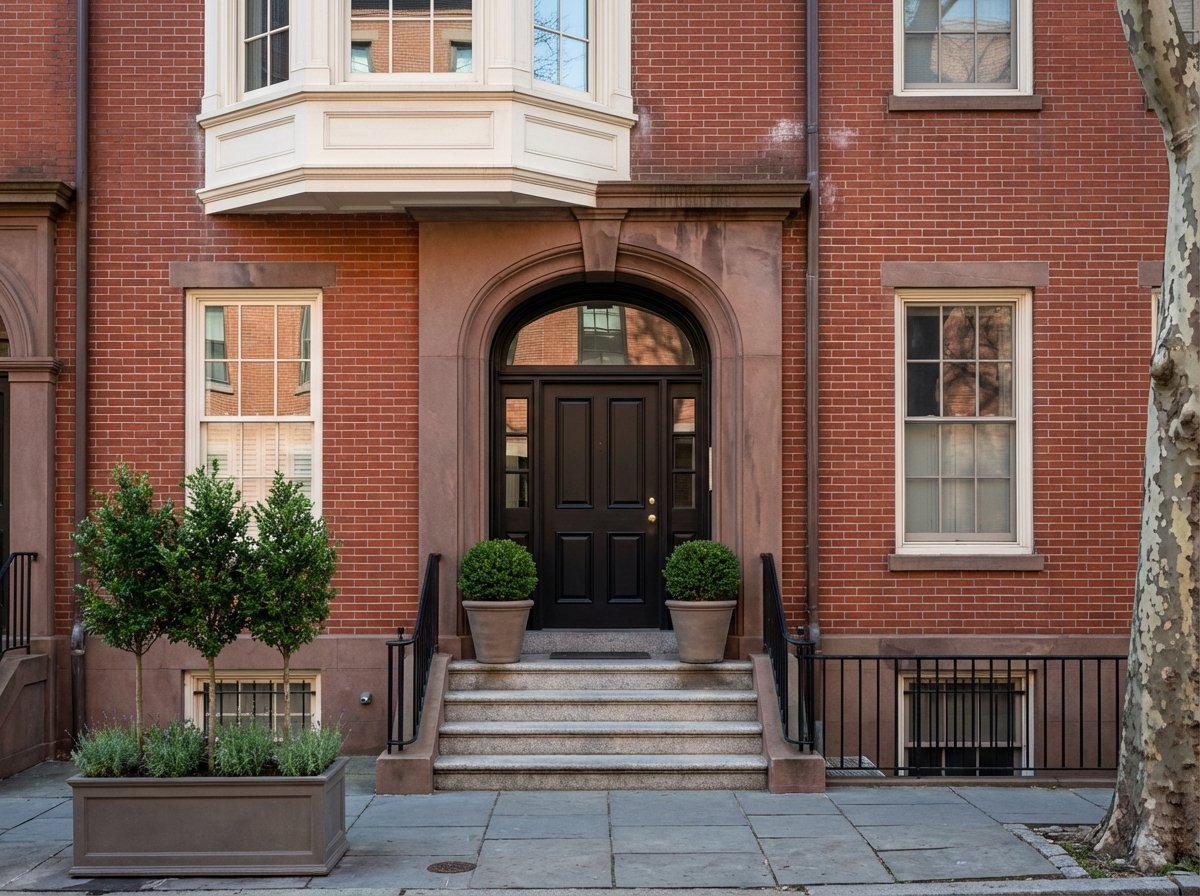
Back Bay was planned in the 19th century and is known for long rows of Victorian brownstones, the Commonwealth Avenue Mall, and destination retail along Newbury Street. Larger avenues and consistent façades create an elegant, orderly feel that many buyers love. You will also find full-service, modern towers near the Prudential and One Dalton area, which adds a contemporary edge to the historic core. Learn more about the district’s background on the Back Bay overview from Wikipedia.
- Reference: See the Back Bay neighborhood overview for history and streetscape context.
Beacon Hill: intimate, brick-lined charm
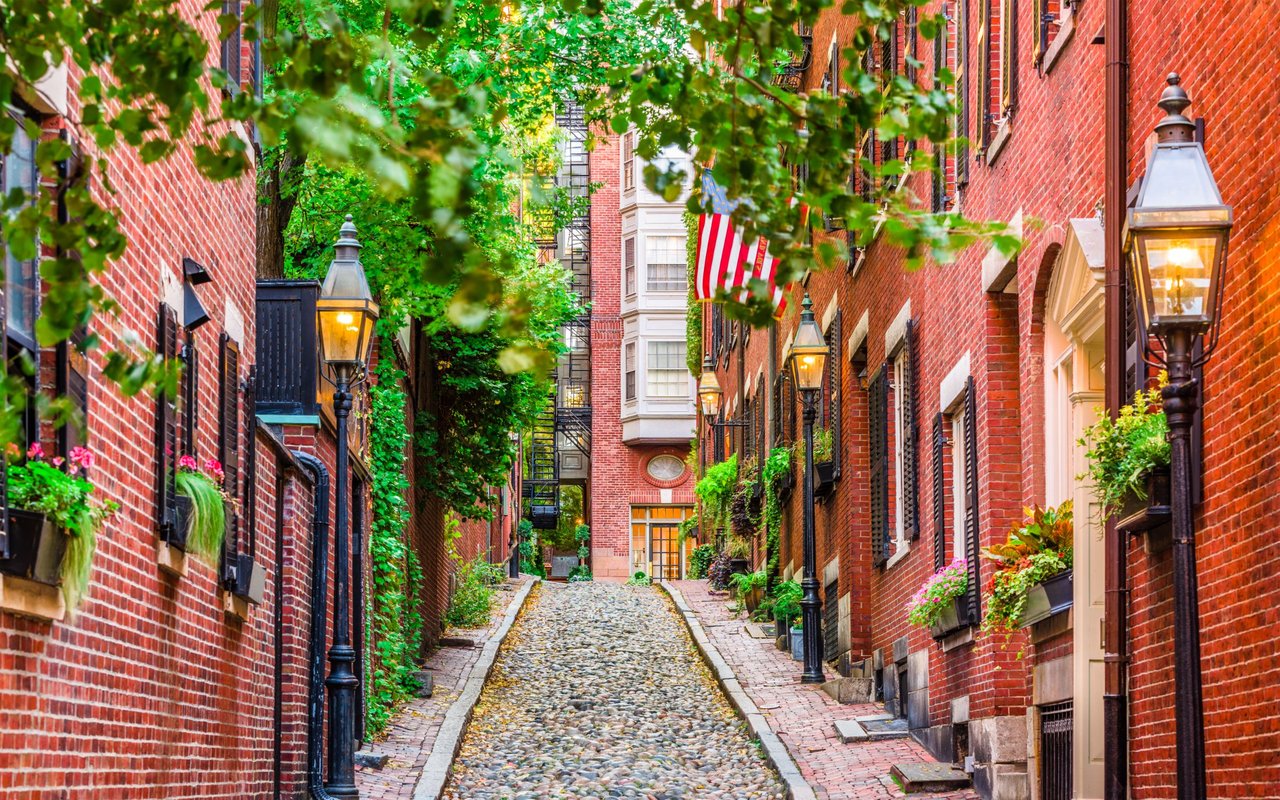
Beacon Hill is smaller in scale with narrow, brick-paved sidewalks, gas lamps, and Federal and Greek Revival rowhouses. Classic blocks like Louisburg Square and Acorn Street are highly protected by local historic controls, which keep the area’s look and feel intact. Expect intimate lanes, smaller buildings, and a quiet, tucked-away vibe steps from the Common and downtown. Learn more about the area’s architecture and preservation.
- Reference: See the Beacon Hill neighborhood overview for architecture and preservation context.
What you get in a condo
Back Bay: full-service towers to brownstones
Back Bay offers a wide product mix. If you want turn-key living with amenities, high-rise options like One Dalton deliver concierge services, valet, pool, spa, and on-site dining. These buildings often include deeded or valet garage parking, which raises monthly carrying costs but simplifies daily life.
- Example building and amenities: Explore One Dalton’s residential services and lifestyle.
You will also find many historic brownstone conversions on Commonwealth Avenue, Marlborough, and nearby side streets. These smaller associations tend to have fewer amenities and more variable parking. Boutique mid-rise conversions around Newbury and Clarendon add more choices, sometimes with a small concierge desk or shared amenity room. Overall, Back Bay gives you options across size, style, and service level.
Beacon Hill: historic rowhouses and small buildings
Beacon Hill’s condo stock is shaped by its historic fabric. Most homes are within brick rowhouses or small elevator buildings that have been converted into condos. Unit sizes often skew smaller, especially studios to two-bedrooms. Full spa or pool packages are uncommon here because preservation rules limit large-scale, modern towers. Storage, elevator access, and roof decks can be found in select buildings, but amenities are typically modest compared with Back Bay’s towers.
Price context to frame your search
- Redfin neighborhood medians, Jan 2026: Back Bay at approximately $1,207,500 and Beacon Hill at approximately $1,700,000 (all home types). These are neighborhood-wide medians and individual condo values vary by building, floor, size, and amenities.
- Zillow’s neighborhood home-value index (ZHVI) is helpful for longer-term trend views and smoothing month-to-month noise.
- Market dynamics at the ultra-luxury tier can be different from small brownstone condos. Recent reporting has noted slower absorption in some new high-end projects citywide, which can shape top-end pricing and time on market.
For background on ultra-luxury absorption trends, see recent reporting:
Your practical takeaway: use medians to get oriented, then focus quickly on comps for your exact building type. A Back Bay tower one-bedroom and a Beacon Hill floor-through two-bedroom can live very differently and price very differently, even at the same square footage.
Parking and transportation
Parking: deeded spaces vs permits
City of Boston resident parking permits can help with on-street parking in both neighborhoods, but a permit does not guarantee a space on your block. Deeded or assigned garage parking is a true asset in central Boston, especially if you drive daily.
- Program details: Read the City of Boston’s resident parking permit rules.
Boston resident parking permits
Back Bay towers are more likely to include deeded or valet garage parking. In Beacon Hill, deeded spots are scarcer and often carry a premium. Garage spaces near Charles Street have historically traded for high five to low six-figure prices, and availability fluctuates.
- Location example: Charles Street Garage, a central parking option for Beacon Hill residents.
Transit and walkability: where you will move most
If you rely on transit for work or weekend travel, both neighborhoods shine. Back Bay offers multiple rapid-transit and regional connections, including the Orange Line, Commuter Rail, and Amtrak from Back Bay Station, with Green Line stops at Copley, Prudential, and Hynes.
- Reference: Learn about services at Back Bay Station.
Beacon Hill is a quick walk to Park Street for Green and Red Line transfers and Charles/MGH on the Red Line, which makes it easy to reach Cambridge or downtown. It is a great base for car-light living if you prefer to walk and ride transit instead of driving.
- Reference: See the Charles/MGH station overview.
Monthly costs and fee tradeoffs
Towers: higher fees, more included
Full-service buildings often charge higher HOA fees that cover staffing, concierge, common-area maintenance, and usually fitness or pool facilities. If you want convenience, security, and on-site services, this all-in model can be worth the premium. It also simplifies budgeting, since you are buying into a larger operation with predictable service levels.
Brownstones and small associations: lower fees, more variability
Many brownstones and small Beacon Hill buildings have lower regular fees because there is less staff and fewer amenities. That can reduce your monthly outlay. The tradeoff is variability. Funding for large exterior projects can be uneven, and historic-district approvals can add cost and time to exterior work. You should read budgets, minutes, and reserve studies closely so you understand upcoming assessments or work already planned.
Resale and long-term outlook
Supply and scarcity
Beacon Hill’s tight lot sizes and strong preservation controls limit new supply. That scarcity can support strong per-square-foot pricing for well-located units, though total prices vary by size and condition. Back Bay offers a wider range of product types, which spreads demand across more buyer profiles. The flip side is that new luxury projects can change top-end dynamics in Back Bay more than they do in Beacon Hill.
- Neighborhood context: Learn how historic protections shape Beacon Hill’s housing stock.
- Ultra-luxury trend context: Some high-end projects have seen slower absorption in recent reporting.
Historic rules and renovation risk
Both neighborhoods have landmark and historic protections that preserve the streetscape. This is a long-term positive for curb appeal and value stability. It can also lengthen timelines and raise costs for exterior changes like windows, roof work, or façade repairs. If you expect to renovate, factor in commission reviews and contractor availability before you buy. Start by confirming which commission has jurisdiction over your property and what approvals are required.
Financing for small associations
Older conversions and small associations sometimes face lending constraints. Lenders may review owner-occupancy ratios, reserve levels, and any litigation before approving your loan. If you are considering a small building, speak with a lender early, request recent association documents, and avoid surprises by understanding project-level underwriting rules.
Which neighborhood fits you
- You want hotel-style service, valet or deeded garage parking, and on-site amenities like a pool or spa: lean Back Bay towers.
- You value brick-lined charm, historic detail, and a quieter, intimate streetscape, and you are comfortable with modest amenities: consider Beacon Hill.
- You ride Amtrak or the Commuter Rail or want multiple subway options within a few blocks: Back Bay offers excellent rail and MBTA access.
- You work near the State House, downtown offices, or across the river in Cambridge and prefer to walk or take the Red Line: Beacon Hill is an easy base.
- You are price-sensitive on monthly fees and do not need a front desk or gym: small brownstones in either neighborhood can work, with Beacon Hill skewing smaller in unit size.
A simple due-diligence checklist
Use this list to compare two condos side by side:
- Confirm the building type and floor location: tower unit vs brownstone floor-through, walk-up vs elevator.
- Ask for precise parking terms: deeded, assigned, valet, or none. Get the cost history in writing and whether the space transfers with the unit.
- Review financials: current budget, reserve study, and association minutes for the past two years. Look for planned capital projects, special assessments, and any litigation.
- Verify historic-district rules that apply to your building’s exterior. Plan for approval timelines and potential cost premiums for exterior work.
- Check transit and commute times door to door. Include the time to reach your station or garage and your monthly parking or transit costs.
- Confirm financing feasibility with your lender early, especially for small associations or atypical legal structures.
- Re-check neighborhood medians and recent comps for your exact building type before you write an offer.
Streets and stops to walk this weekend
- Back Bay: Stroll the Commonwealth Avenue Mall, explore Newbury Street’s mid-rise conversions, and loop through Copley Square and Boylston Street’s larger edges. If amenities are your priority, visit the area around One Dalton to understand full-service living.
- Beacon Hill: Start on Charles Street for local services and boutiques, then walk the brick-lined lanes near Mount Vernon and Chestnut. If stairs or tight blocks are a concern, try the route at different times of day to see how it feels in your routine.
How Downtown Boston Realty helps
Choosing between Back Bay and Beacon Hill comes down to daily life, not just list price. Our team pairs building-level knowledge with practical support across buying, leasing, and management so you get clear guidance from first tour to closing. We can help you compare fees, parking terms, and resale history by building and update comps in real time so your offer is aligned with the market. Ready to find the right fit? Connect with our boutique team for a focused, no-drama search that respects your timeline and goals.
Talk with the local experts at Downtown Boston Realty to start your condo search today.
FAQs
What are the biggest lifestyle differences between Back Bay and Beacon Hill?
- Back Bay offers broader condo options, wide avenues, and more full-service buildings. Beacon Hill is more intimate, historic, and walk-first with smaller buildings and limited amenities.
How do HOA fees compare for Boston condos in these two neighborhoods?
- Tower buildings in Back Bay usually have higher fees that include staffing, fitness, and sometimes pool access. Many Beacon Hill and brownstone associations have lower fees but fewer services.
Is deeded parking common with Beacon Hill condos?
- It exists but is less common due to the historic fabric. Many buyers use resident permits or rent monthly garage spaces nearby, and deeded spots can carry a premium.
Which neighborhood is better if I rely on the MBTA and Amtrak?
- Back Bay is hard to beat for rail access because Back Bay Station serves the Orange Line, Commuter Rail, and Amtrak, with multiple Green Line stops close by.
Do historic-district rules make renovations harder in Beacon Hill and Back Bay?
- Exterior work often needs commission review, which can add time and cost. Interior updates are usually simpler, but always confirm rules before you buy.
Are ultra-luxury condos performing differently than brownstone units right now?
- Yes, market dynamics can diverge. Recent reporting notes slower absorption for some high-end projects, while smaller historic condos can follow different patterns.