
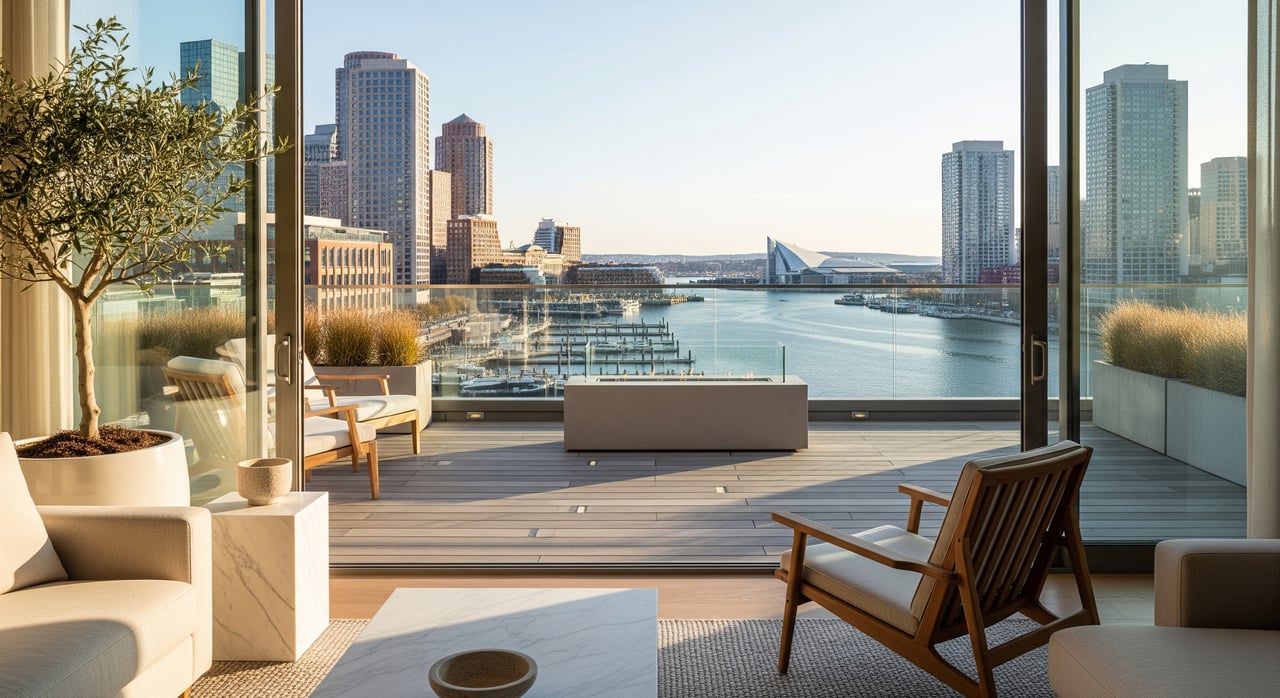
Want to wake up to harbor views, walk to dinner, and catch a gallery opening in the same evening? If that sounds like your pace, Boston’s Seaport District may be on your shortlist. You want the full picture before you commit, from housing and transit to noise levels and daily conveniences. This guide walks you through what life feels like in the Seaport, the tradeoffs to weigh, and smart tips for touring buildings so you can decide with confidence. Let’s dive in.
Seaport overview and vibe
The Seaport sits along Boston Harbor and the Fort Point Channel, just south of the Financial District. You will also hear it called the South Boston Waterfront or the Innovation District. The area includes Fan Pier and the Fort Point Channel corridor and connects easily to downtown.
A former industrial zone, the Seaport has transformed since the late 1990s into a dense, modern neighborhood. You will see new high-rise residences, sleek office and lab buildings, hotels, and an active waterfront. Growth continues as planning agencies and private developers bring new projects online.
Daily life feels urban and lively. Weekdays bring office workers, hotel guests, and convention visitors. Evenings and weekends draw dining and nightlife crowds. You get waterfront parks and promenades paired with restaurants, bars, and cultural venues, which creates an energetic scene.
Housing options and costs
What you will find
- New high-rise and mid-rise condo towers with modern amenities like concierge, gyms, lounges, and rooftop decks.
- Luxury rental buildings and some loft-style options closer to Fort Point in adaptive reuse properties.
- Very few single-family homes. Private outdoor space is often a balcony or shared rooftop.
Pricing signals to expect
The Seaport is among Boston’s more expensive neighborhoods per square foot. Condos tend to target the upper end of the city market, and rentals, especially studios and one-bedrooms, command premium rents. Larger, more affordable family-sized units are less common.
Monthly budget factors
- Condo fees and amenity-heavy HOA dues can be substantial.
- Parking is limited and often billed separately.
- Resale and rental demand can track the tech and office market and the event calendar at the Convention Center.
Getting around the city
Transit options
The MBTA Silver Line connects the Seaport to South Station and the broader system. The SL1 provides a direct link to Logan Airport. Buses add coverage, and commuter rail is accessible via South Station. Seasonal ferries and private water taxis offer harbor connections for certain routes.
Walking and biking
The district is highly walkable, including to nearby neighborhoods like the Financial District and parts of South Boston. The Harborwalk offers scenic paths for jogging and strolls, and you will find dedicated bike lanes in portions of the area. Bluebikes stations are common in and around the Seaport.
Driving and parking
Driving is possible but can be slow during peak times and major events. Parking is scarce and expensive, and many buildings charge separately for spaces. Access to I-90 is close by, but commuting by car often requires planning.
Parks and waterfront time
Water is the star. Fan Pier Park and the Harborwalk give you open space, seating, and skyline views. Waterfront promenades and pocket parks make it easy to step outside for a quick reset. The Lawn On D hosts seasonal events and community activities, and you will find fitness classes and pop-ups in programmed public spaces.
Food, culture, and nightlife
You will have no trouble finding a table, whether you are after casual seafood, mid-range fare, or a splurge. Rooftop lounges and bars add to the scene, and pop-up food events appear in warmer months. Cultural highlights include the Institute of Contemporary Art and rotating public art installations. Conventions and festivals at large venues can spike foot traffic and energy.
If you prefer quiet nights, be mindful of building location and orientation. Areas close to busy restaurant corridors and the Convention Center see more noise, especially late nights and during summer.
Shopping and everyday services
Day-to-day life is straightforward. You will find grocery options in or near the district, along with specialty markets and many prepared-food choices. Retail mixes convenience and lifestyle services, including banking, fitness studios, salons, and dry cleaning. Selection varies by block, so it pays to walk the area you are considering.
Safety and climate planning
Public safety reflects a central urban district with heavy foot traffic. Busy nightlife areas can experience more incidents at night than quieter residential blocks. Standard city awareness applies.
The Seaport is low-lying waterfront on filled land, which means exposure to coastal flooding and future sea level rise. The city has resilience initiatives that focus on shoreline protection, flood mitigation, and raising critical infrastructure. Many newer buildings include flood-resistant design. If you are comparing properties, ask about flood zones, insurance needs, and building-level measures like elevated mechanicals and waterproofing.
Schools and healthcare access
There are limited K–12 options within the Seaport’s footprint. Families often look to nearby South Boston, the South End, and other adjacent neighborhoods for additional choices. Boston Public Schools assignments depend on your address. Healthcare is accessible, with primary and urgent care close by and major hospitals like Tufts Medical Center, Massachusetts General Hospital, and Boston Medical Center a short transit or car ride away in other parts of the city.
Who the Seaport suits
Strong fits
- Young professionals and couples who want an urban, modern setting near downtown jobs and entertainment.
- Condo buyers seeking a low-maintenance lifestyle with building amenities and waterfront access.
- Empty nesters who value walkability and cultural programming.
Possible tradeoffs
- Higher housing costs and fees compared with many Boston neighborhoods.
- Fewer large parks and schools in the immediate area.
- Event-driven crowds, nightlife energy, and limited parking.
Smart tips for tours
- Visit at different times. Stop by on a weekday morning, a weeknight, and a weekend to compare crowds, traffic, and noise.
- Ask about resilience. Learn whether mechanicals are elevated, how flood barriers work, and the building’s water-intrusion history.
- Clarify monthly costs. Get details on HOA fees, parking availability and pricing, and any planned special assessments.
- Test your commute. Ride the Silver Line, check bus options, and see how long a water taxi or ferry might take for your routine.
- Map daily life. Walk to the closest grocery options, fitness studios, and service providers you expect to use.
- Confirm policies. For renters, review pet rules, storage fees, and bike parking.
Is the Seaport right for you?
If you want a modern condo lifestyle with waterfront walks, strong dining and culture, and fast access to downtown and the airport, the Seaport delivers. You trade a traditional neighborhood feel and easier parking for premium finishes, amenities, and walkability. With a clear picture of building costs, transit, and resilience features, you can choose a home that fits your routines and risk comfort.
If you are weighing a Seaport move or comparing it with Back Bay, Beacon Hill, or the South End, our team can help you tour efficiently and understand building-by-building details. Connect with our hands-on local experts at Downtown Boston Realty for leasing, buyer representation, and practical guidance on property management.
FAQs
How walkable and transit friendly is the Seaport?
- It is highly walkable with the Silver Line, bus routes, ferries, and bikeshare access, while driving and parking are more challenging.
How noisy is the Seaport at night?
- Areas near restaurants, bars, and the Convention Center can be louder, especially late nights and during events, while other blocks are calmer.
How do Seaport housing costs compare citywide?
- Costs are generally higher than Boston’s average due to new construction, amenities, and the waterfront location.
What should I know about flood risk in the Seaport?
- The area is low-lying and exposed to coastal flooding; newer buildings often include resilience features, and insurance needs can vary by property.
Is the Seaport a good fit for families with children?
- Some families live here, but K–12 options are limited in the immediate area, and many look to adjacent neighborhoods for schools and childcare.
What are typical condo and rental amenities in the Seaport?
- Expect concierge services, gyms, lounges, package rooms, rooftop decks, bike storage, and parking that is often available at additional cost.