
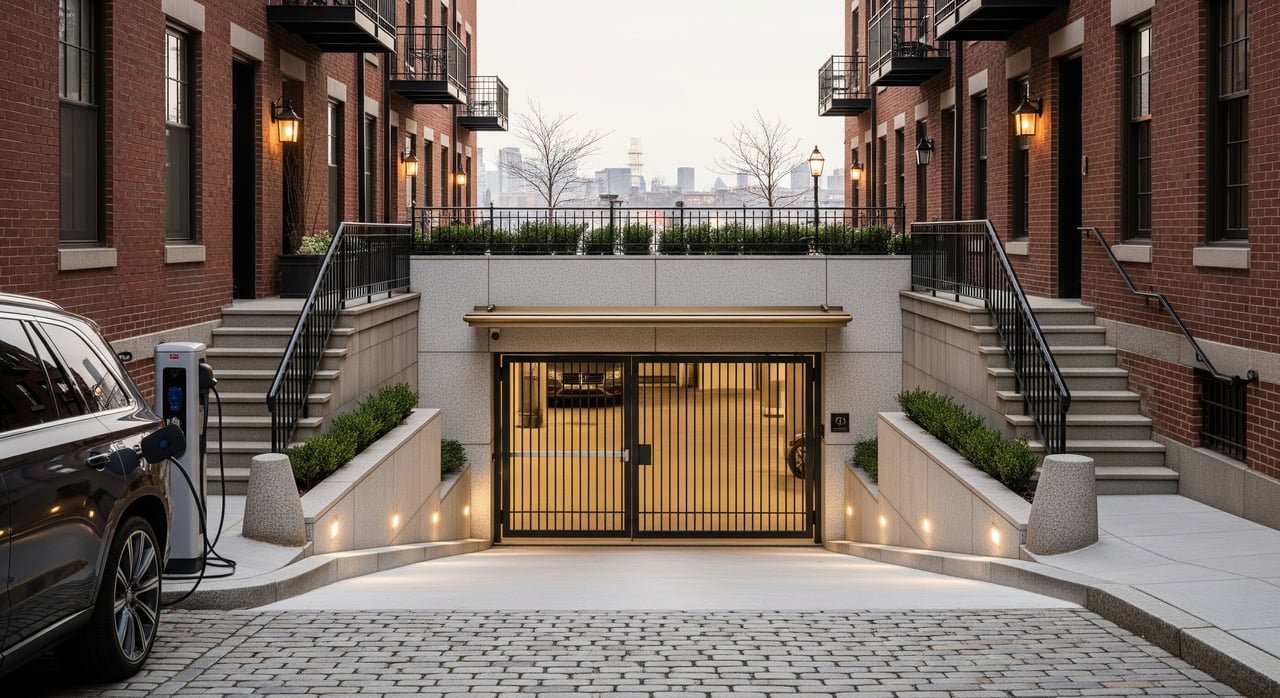
Parking can be the hardest part of buying or selling a condo in the North End. The neighborhood’s historic streets and busy mix of homes, shops, and restaurants make parking scarce and valuable. If you are weighing a unit with a space, a waitlist, or no parking at all, it pays to understand your choices. In this guide, you will learn the key differences between deeded and leased parking, nearby garage options, typical costs, and how parking affects value. Let’s dive in.
Why North End parking is unique
The North End is dense, walkable, and historic. Most buildings were built before cars, so off-street spaces are limited. You are close to downtown, North Station, Haymarket, and Government Center, which makes transit and walking easy. Still, many households want a car for work, family, or errands.
Curb space is tight. Resident permits help, but there is a lot of competition from meters, deliveries, and visitors. City rules and permit fees change over time, so you should verify current street-by-street permit details and meter rules with the City of Boston before you rely on them.
Newer downtown projects near transit often include fewer on-site spaces. That means deeded parking is not common, and the spaces that do exist can be prized.
Types of parking you will see
Deeded parking
A deeded space is recorded with your condo deed. It usually transfers with the unit unless the deed allows a separate transfer. This is the strongest and most secure option, and it often has the highest resale appeal. In some buildings, the space is assessed for taxes as part of your unit. In others, it can be a separate assessor item.
What to check:
- Confirm the deed language and the exact space number.
- Review any easements or rules that affect access and use.
- Ask whether the space is on the same assessors’ parcel as the unit.
Leased or association-controlled parking
In some buildings, the association owns the parking and leases spaces to owners. Leases may be month-to-month or annual, and many buildings use waitlists.
Practical tradeoffs:
- Lower up-front cost than deeded, but less secure over time.
- Terms, pricing, and assignments can change by board decision or lease.
- Lease revenue may offset HOA costs, but you should confirm how it is handled.
What to check:
- Current lease terms, monthly fee, renewal rights, and termination language.
- HOA minutes for any planned changes, waitlist rules, or disputes.
In-building garage spaces
Mid- and high-rise buildings may offer assigned or valet spaces in a private garage. Some use stackers or lift systems. These systems have height and weight limits that can affect SUVs and larger vehicles.
What to check:
- Vehicle size limits and clearance for your car.
- Whether the space is deeded or leased.
- Access hours, security, and any valet procedures.
Off-site commercial garages
Several commercial and municipal garages near the North End sell monthly or daily passes. These are separate legal agreements and availability can change.
Practical tradeoffs:
- Flexible to start and stop as needed.
- Recurring cost and a walk from garage to home.
- Rates may vary by operator and demand near commuter hubs.
On-street parking and permits
Resident permit zones and metered parking exist across the North End. On-street parking can work for short stays or guests, but it is not a reliable long-term solution. Permit fees and rules come from the City of Boston and can change. Always confirm current rules for your block before you buy.
Car-light alternatives
Some buyers choose to skip a dedicated space. Options include car-share memberships, park-and-ride with MBTA access, rideshare, and bike or scooter storage. If you commute by train and only need a car occasionally, this can be a sensible way to lower housing costs in a high-demand area.
Typical costs in the North End
Prices vary by building, operator, and market conditions, but here is what you should expect:
- Deeded parking premium at purchase: In Boston’s core neighborhoods, a deeded space can add a noticeable premium to a condo’s price. The exact amount depends on how rare spaces are in the building and nearby alternatives.
- Monthly in-building leased spaces: Fees can range from modest to higher urban levels. North End and central locations tend to be toward the higher end when supply is tight. Verify what the fee includes, such as snow removal or security.
- Off-site monthly garages: Rates near downtown and North Station/Haymarket commonly land in the low hundreds to several hundreds per month. Availability and pricing change by operator and season.
- On-street costs: Metered parking is cheap by the hour but not a substitute for secure long-term parking. Resident permit fees come from the City and should be confirmed before you plan around them.
If you publish or rely on specific numbers, add the date and confirm them directly with the garage, the association, or the City.
How parking affects condo value
Parking influences both price and marketability. In buildings where deeded spaces are rare, a deeded spot can draw more buyers and shorten days on market. Listings with clear, permanent parking often show stronger interest because buyers can plan around it.
Not all buyers value parking equally. If your buyer pool skews toward people who rely on transit, the premium may be smaller. If nearby garages offer steady monthly options at reasonable cost, that can cap the premium a deeded space commands.
Appraisers look at local comps. If recent sales show a clear price gap for units with deeded parking, that can be reflected in appraisals. Lenders also look closely at the permanence of the parking right. Deeded spaces are treated like real property, while leased spaces usually are not capitalized into the mortgage.
What to review before you buy
Before you make an offer, gather and verify the details that drive value:
- Deed status: Obtain the recorded deed language for both the unit and the space.
- Space verification: Confirm the space number and inspect it in person. Make sure your vehicle fits and check access and security.
- HOA records: Request the master deed, bylaws, budget, and meeting minutes to understand parking rules and any planned changes.
- Leases and lists: For association parking, get the current lease form, fee, and any waitlist and assignment records.
- Taxes: Check assessor records to see how the space is assessed. Some deeded spaces are separate.
- Constraints: Look for size limits, mechanical systems, or easements that affect use.
- Street context: Confirm RPZ status and meter enforcement hours for guest visits.
- Financing: Ask your lender how they will treat the parking (deeded vs leased) in underwriting.
How to market when you sell
Clear parking info builds buyer confidence. Strong marketing steps include:
- State the parking type clearly: deeded, leased, assigned, or guest-only.
- Provide documents early: deed language, parking rules, and any lease terms.
- Explain transfer rules: If a deeded space can be sold or rented separately, describe the process and fees.
- Set expectations: If there are size limits or tight turns, include dimensions and photos.
- Share alternatives: If no deeded space exists, list nearby leased options and typical monthly ranges so buyers can budget.
Lease vs deeded: do the math
A quick framework can help you decide which route makes sense:
- Estimate your ownership period.
- Multiply the monthly lease rate by the number of months you plan to own.
- Add any annual increases the association or garage typically applies.
- Compare that total to the price premium for a deeded space in the same building or area.
- Consider resale: Deeded spaces can be easier to market later. Leased spaces depend on the association or garage continuing to offer them.
This side-by-side view helps you balance up-front price against long-term convenience and risk.
Questions to ask and red flags
As you evaluate a unit, keep these points front and center:
- Permanence: Is your right to the space deeded or revocable under condo rules?
- Stability: Have lease terms or fees changed recently, and how often?
- Access: Any upcoming garage repairs, special assessments, or closures planned?
- Fit: Will your primary vehicle fit comfortably, including height and width?
- Conflicts: Do HOA minutes show disputes about parking or proposals to repurpose spaces?
- Liens: Are there any liens tied to the space from unpaid fees?
Local resources and next steps
To verify details, use official and building-level sources:
- City of Boston for resident permits, metered parking rules, and enforcement.
- MBTA service info to gauge whether a car-light lifestyle fits your commute.
- Boston Planning & Development Agency filings for nearby projects that might affect parking supply.
- Suffolk County Registry of Deeds for recorded deeds and easements.
- Your condo association or management company for master deed, bylaws, budget, lease forms, and waitlist records.
- Nearby garages for current monthly availability and rates.
A few calls and document requests can protect your budget and your future resale.
Bottom line for North End buyers and sellers
In the North End, parking is about permanence and practicality. Deeded parking gives you the most security and often boosts marketability. Leased or association parking lowers the up-front price but adds uncertainty and a recurring cost. Off-site garages offer flexibility, but you will trade convenience for a monthly bill and a short walk.
If you are buying, verify the legal status, the cost, and the fit before you commit. If you are selling, present clear documents and realistic alternatives so buyers can see the full picture. Ready to weigh your options and run the numbers for your building? Connect with the local team at Downtown Boston Realty for practical guidance tailored to your move.
FAQs
What is the difference between deeded and leased parking in the North End?
- Deeded parking is recorded with your unit’s deed and transfers with the property, while leased or association-controlled parking is a contract or privilege that can change over time.
How do monthly garage rates near the North End compare to in-building leases?
- Off-site monthly garages often price in the low to several hundreds per month, while in-building leased fees in central locations tend toward the higher end when supply is tight.
Does a deeded parking space increase condo value when I sell?
- In buildings where spaces are scarce, deeded parking commonly improves marketability and can support a price premium, though the size of the premium varies by comps and buyer demand.
Will my lender include the value of a leased space in my mortgage?
- Lenders usually treat deeded parking as real property but often do not capitalize the value of a leased space into the mortgage for the unit.
What documents should I review to confirm parking rights before buying?
- Request the unit and parking deeds, master deed and bylaws, HOA budget and minutes, current lease forms and assignment lists, assessor records, and any recorded easements.
Are there vehicle size limits in North End condo garages?
- Older garages and stacker systems can have tight height and weight limits, so you should check clearance and fit for your specific vehicle.
How reliable is on-street resident parking in the North End?
- Resident permits help but curb space is limited, so on-street parking is best for short-term needs rather than as a primary solution for owners.
Can I sell or rent my deeded parking space separately from my unit?
- Some condos allow separate transfers or rentals, but you must check the master deed, bylaws, and any building-specific rules.
What are common parking red flags in condo buildings?
- Revocable or poorly defined rights, active disputes in HOA minutes, planned policy changes, liens on spaces, and garages with significant repair assessments are key warning signs.