
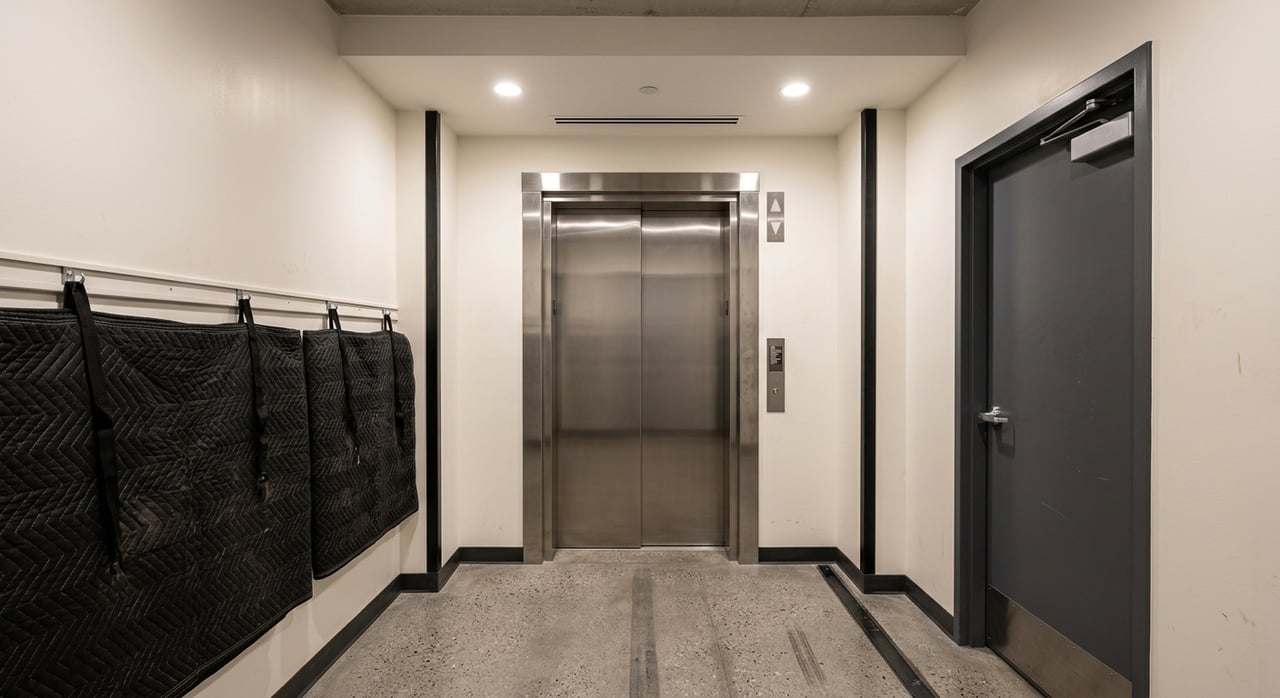
Need to move into downtown Boston fast? That can feel simple on paper and stressful in real life. Between building rules, curb space, truck access, and utility timing, even a short local move can turn into a long day if one detail gets missed. This guide walks you through the key steps so you can plan a faster, smoother downtown Boston move with fewer surprises. Let’s dive in.
Why downtown Boston moves get complicated
A fast move in downtown Boston is rarely just about signing a lease and booking a truck. The bigger challenge is often timing everything around street access, building rules, and move-day restrictions.
Boston notes that moving activity can be especially busy around early September, when many leases turn over at once. That can mean more traffic, tighter curb access, and less flexibility if you wait too long to plan. If you are trying to move quickly, every day of lead time matters.
Another common issue is truck routing. Boston warns that moving trucks cannot use Storrow Drive because of the 10-foot height limit. If your mover does not know that in advance, you could lose valuable time before the truck even reaches your building.
Start with your building rules
Before you confirm movers, get the building move-in packet or written move instructions. In many downtown condo and apartment buildings, the building rules shape the schedule more than your lease does.
Boston building examples show how different these rules can be. Some buildings require freight elevator reservations, some limit truck size, some allow moves only during certain hours, and some require weekend or after-hours scheduling.
For example, one Boston building requires advance contact with management to reserve the freight elevator and limits trucks to 35 feet or less. Another requires moves to be scheduled at least one week ahead and may require a certificate of insurance from the moving company.
The takeaway is simple: do not book the move until you know the building rules. If you skip that step, you may end up with a truck that cannot fit, an elevator that is unavailable, or paperwork that delays access.
What to confirm with management
Ask for these details as early as possible:
- Allowed move-in dates and times
- Freight elevator reservation rules
- Loading dock or curbside access instructions
- Truck size limits
- Certificate of insurance requirements
- Any move fees or deposits required by the building
- Contact information for move-day questions
Some Boston management guidance also asks for proof of liability and workers' compensation insurance several business days before the move. In those cases, the certificate may need to include the unit number and the exact move date and time.
Reserve curb space early
In downtown Boston, curb space can make or break your move. A moving-truck permit is not legally required, but Boston says it is useful because it helps reserve a legal spot and can reduce the chance of tickets and last-minute scrambling.
Boston's guidance says online permit applications should generally be filed at least 15 days before the move. The city's permit portal also says online applications are only accepted for moves that are 2 to 8 weeks away, while in-person applications should be made at least 3 days before the move.
The permit typically runs from 7 a.m. to 5 p.m. and costs about $69 to $109 depending on meters. It only applies to city-owned streets, and it does not override snow emergencies, construction zones, accessible parking, or tow zones.
Important parking details to remember
A moving permit helps, but it does not solve every problem. Boston also notes that one person must stay with the vehicle at all times during street cleaning.
If you are moving near the North End in summer, seasonal street closures can also affect access and permits. That is one more reason to check the exact block conditions before move day.
Choose a licensed mover
When you need to move fast, it can be tempting to book the first available company. Still, Boston recommends checking mover records before you commit.
Massachusetts requires household movers operating in the state to be licensed by the Department of Public Utilities. Boston also recommends checking DPU, USDOT, and FMCSA records before booking a moving company.
That matters even more if your building requires a certificate of insurance. A licensed, professional mover is more likely to understand downtown Boston logistics and provide the paperwork your building needs on time.
Stage your application paperwork
If you are renting and trying to move quickly, paperwork can be the difference between a smooth approval and a delay. The smartest approach is to gather your full application packet before you submit anything.
Boston says property owners may request references and proof of income when screening tenants. Massachusetts apartment-hunting guidance also notes that many landlords and programs ask for ID, proof of income, rental history, references, a credit report, and sometimes bank statements or tax documentation.
Rental documents to gather
Keep these items ready in one folder:
- Valid photo ID
- Proof of income
- Rental history
- References
- Credit report, if requested
- Bank statements or tax returns, if needed
If you can send a complete packet quickly, you improve your chances of keeping the approval process moving.
Know the up-front rental costs
A fast move also means knowing what costs to expect. Boston says landlords may collect only certain up-front charges.
Those allowed charges are:
- First month's rent
- Last month's rent
- A security deposit equal to one month's rent
- The cost of new locks
Boston also says application fees and credit-check fees are not allowed. That is helpful to know when you are comparing options under time pressure.
Massachusetts also provides rules for how a security deposit must be handled. It must be held in a separate interest-bearing Massachusetts bank account, interest must be paid annually, and the balance must be returned within 30 days after move-out.
As of August 1, 2025, Massachusetts says a landlord-hired broker fee must be paid by the party that hired the broker, not by a tenant who did not hire that broker. If you are planning a move around that date or later, that rule may affect your budget.
Set up utilities before move day
Utilities are easy to forget when you are focused on keys and boxes. In downtown Boston, it helps to schedule service early so you are not spending your first night in the dark or waiting on a transfer.
Boston directs residents to Eversource and National Grid for electric and gas issues, while Boston Water and Sewer Commission operates Boston water and sewer service. National Grid says customers should schedule a start, stop, or transfer up to a week before the move and give 5 to 7 days' notice so a crew can be sent if needed.
Boston also says tenants only have to pay for utilities that serve their apartment, and cross-metering is illegal. If anything seems unclear in your lease or utility setup, it is worth asking questions before move-in.
Utility checklist for a fast move
A simple pre-move list can help:
- Confirm which utilities are your responsibility
- Schedule electric and gas service in advance
- Update your mailing address with USPS, banks, and other providers
- Notify the Parking Clerk if your address change affects your parking permit
Don't leave disposal for later
In a dense downtown building, leftover furniture, boxes, and trash can become a problem fast. Hallways, sidewalks, and loading areas fill up quickly during busy move periods.
Boston recommends using its household waste lookup, arranging mattress pickup when eligible, and disposing of items properly rather than leaving them on the sidewalk. If you know you need to donate or discard large items, schedule that before move day instead of after.
This one step can reduce clutter, save time, and make your move-out or move-in much easier for everyone involved.
Consider renters insurance early
Renters insurance is often treated like an optional last-minute task, but it is smarter to handle it before the move. Boston says renters insurance can help cover personal property such as computers and jewelry in a fire or theft.
Boston and Massachusetts both note that the cost is often modest, generally around $10 to $30 per month or $15 to $30 per month. For many renters, that small monthly cost can offer useful protection during and after the move.
Protect your move with a timeline
When you need to move fast, the best stress reducer is a clear order of operations. Downtown Boston moves go more smoothly when your lease, building approval, movers, permit, and utilities are lined up in the right sequence.
A practical timeline looks like this:
Two to three weeks out
- Get the building move-in rules
- Confirm truck restrictions and elevator access
- Apply online for a moving-truck permit if timing allows
- Start utility transfer requests
- Gather rental application documents
One week out
- Confirm your mover is licensed and insured
- Send any required certificate of insurance to building management
- Reconfirm elevator reservation and move time
- Plan the truck route and avoid Storrow Drive
- Schedule donation, junk removal, or mattress pickup if needed
Final days before the move
- Recheck curb access and street conditions
- Pack essential documents separately
- Confirm utilities, address changes, and parking needs
- Keep a contact list for management, movers, and utility providers
Why local coordination helps
In downtown Boston, the hard part is often not finding a place. It is getting every moving part to line up on time.
Because rules vary by building and even by management office, local building knowledge can save you from avoidable delays. If your real estate team already understands the move process in downtown condo buildings, that can mean fewer back-and-forth emails, better timing, and a more organized move.
Downtown Boston Realty takes a practical, hands-on approach to rentals, sales, and property management in downtown Boston. If you want help coordinating a fast move and navigating building-specific details, connect with Downtown Boston Realty.
FAQs
What makes a downtown Boston move harder than other moves?
- Downtown Boston moves are often more time-sensitive because of curb space limits, truck routing, building access rules, elevator reservations, and busy lease turnover periods.
When should you apply for a Boston moving-truck permit?
- Boston says online applications should generally be filed at least 15 days before the move, and the online portal only accepts applications for moves that are 2 to 8 weeks away.
Do you need a moving-truck permit in downtown Boston?
- Boston says a moving-truck permit is not legally required, but it is useful because it can reserve a legal curbside spot and help reduce move-day stress.
What should you ask your downtown Boston building before booking movers?
- Ask about move-in hours, freight elevator reservations, loading access, truck size limits, insurance requirements, and any building-specific paperwork or fees.
What documents should you prepare for a fast Boston rental approval?
- A strong rental packet usually includes a valid photo ID, proof of income, rental history, references, and, if needed, bank statements or tax returns.
What up-front rental charges are allowed in Boston?
- Boston says landlords may collect first month's rent, last month's rent, a security deposit equal to one month's rent, and the cost of new locks, but not application fees or credit-check fees.
How early should you set up utilities for a Boston move?
- National Grid says customers should schedule start, stop, or transfer service up to a week before the move and give 5 to 7 days' notice when possible.
Can moving trucks use Storrow Drive in Boston?
- No. Boston warns that moving trucks cannot use Storrow Drive because of the 10-foot height limit.