City living with kids can sound exciting until you start thinking about stroller storage, school applications, park access, and whether a condo can really keep up with daily family life. If you are considering Back Bay, you are probably weighing a big question: can one of Boston’s most iconic condo neighborhoods also work for your family? The short answer is yes, for the right household. This guide walks you through the biggest things to consider so you can decide whether raising a family in a Back Bay condo fits your lifestyle. Let’s dive in.
Why Back Bay appeals to families
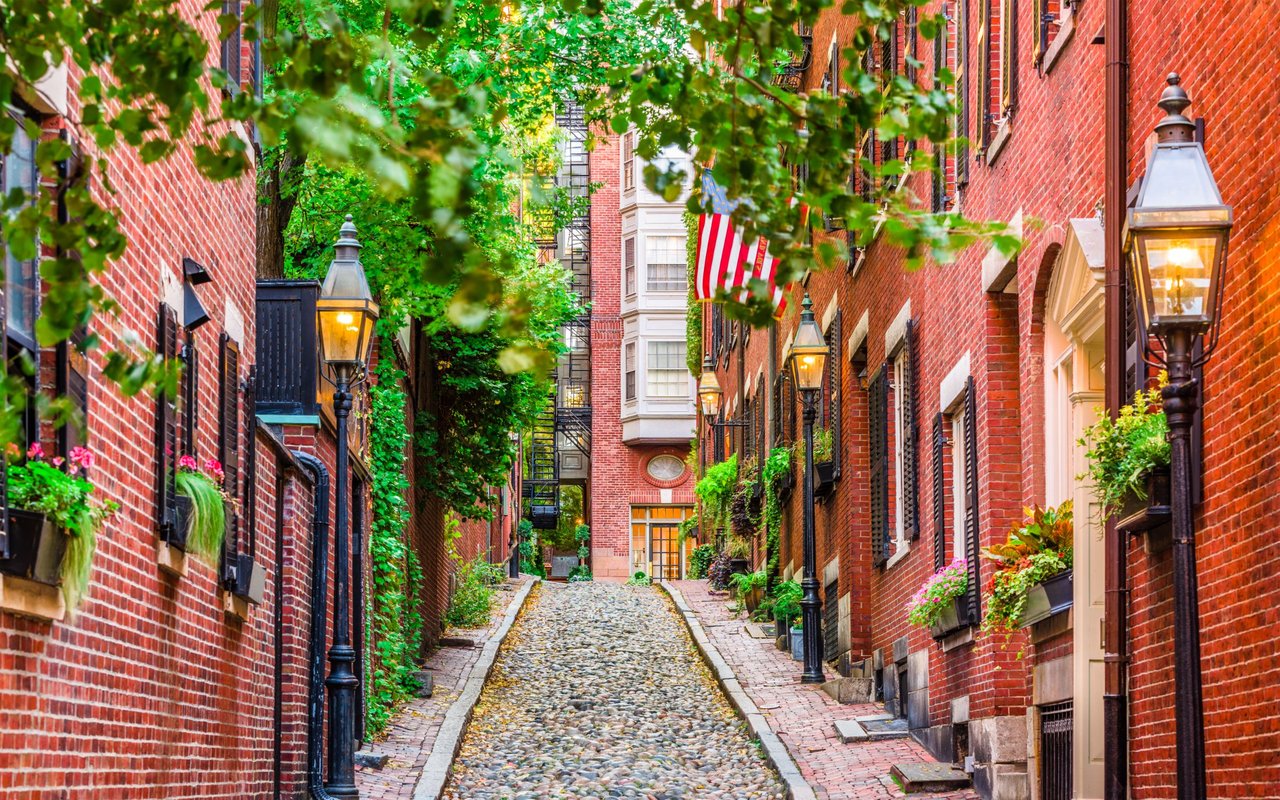
Back Bay offers something many families want but struggle to find in one place: an urban location with strong walkability, transit access, and nearby green space. The neighborhood sits along the Charles River and next to the Public Garden, and the City of Boston describes it as a protected historic district known for its elegant architecture and major corridors like Newbury Street, Boylston Street, and Commonwealth Avenue.
For daily life, walkability is one of Back Bay’s biggest strengths. Walk Score rates Back Bay at 97 for walkability, 96 for transit, and 87 for biking, noting that many errands do not require a car. If you want a neighborhood where you can get around on foot, use transit, and rely less on driving, that can be a major advantage.
Think about your daily routine
Before you focus on finishes or square footage, think through how your family actually lives from morning to night. In Back Bay, convenience often comes from proximity rather than extra space. That means your day may feel easier if you value walking to parks, transit, and everyday errands more than having a large private yard or easy driveway parking.
Parking is worth extra attention. While the neighborhood supports a car-light lifestyle, recent curb-access changes in Boston are also a reminder that parking remains managed and limited. If your household depends on a car for school drop-offs, weekend trips, or work travel, you may want to prioritize deeded parking or garage access early in your search.
Condo space matters differently with kids
A family-friendly condo is not always the biggest condo on paper. In Back Bay, layout often matters just as much as square footage because storage, room flexibility, and circulation can shape how comfortable your home feels day to day.
Current listing patterns show a mix of smaller brownstone homes and larger residences, including two-bedroom duplexes, three-bedroom condos, penthouses, and occasional four-bedroom options. Back Bay condo inventory examples also reflect the neighborhood’s variety, from classic brownstone layouts to larger units that can better support a growing household.
When you tour homes, pay close attention to practical details like:
- Elevator access
- In-unit laundry
- Dedicated storage
- Parking
- A flexible second bedroom or den
- Space for strollers, coats, and gear
These features can have an outsized impact on daily life. As current listings suggest, families often find that storage, laundry, and layout flexibility matter more than headline square footage alone.
Brownstones vs full-service buildings
Back Bay families often choose between two broad condo experiences: historic brownstone living and amenity-rich full-service buildings. Neither is automatically better. The right fit depends on how you want your home to function.
Brownstone living in Back Bay
Older brownstone condos often offer the charm many buyers love about Back Bay. You may find high ceilings, original architectural details, fireplaces, built-ins, and strong natural light. Some larger homes also include duplex layouts, patios, or deeded parking, as shown in representative Back Bay listing materials.
That character can be appealing, especially if you want a nursery, office, or second child’s room within a home that feels distinct and classic. At the same time, older buildings may come with more stairs, less predictable storage, and fewer convenience features that simplify life with young children.
Full-service building convenience
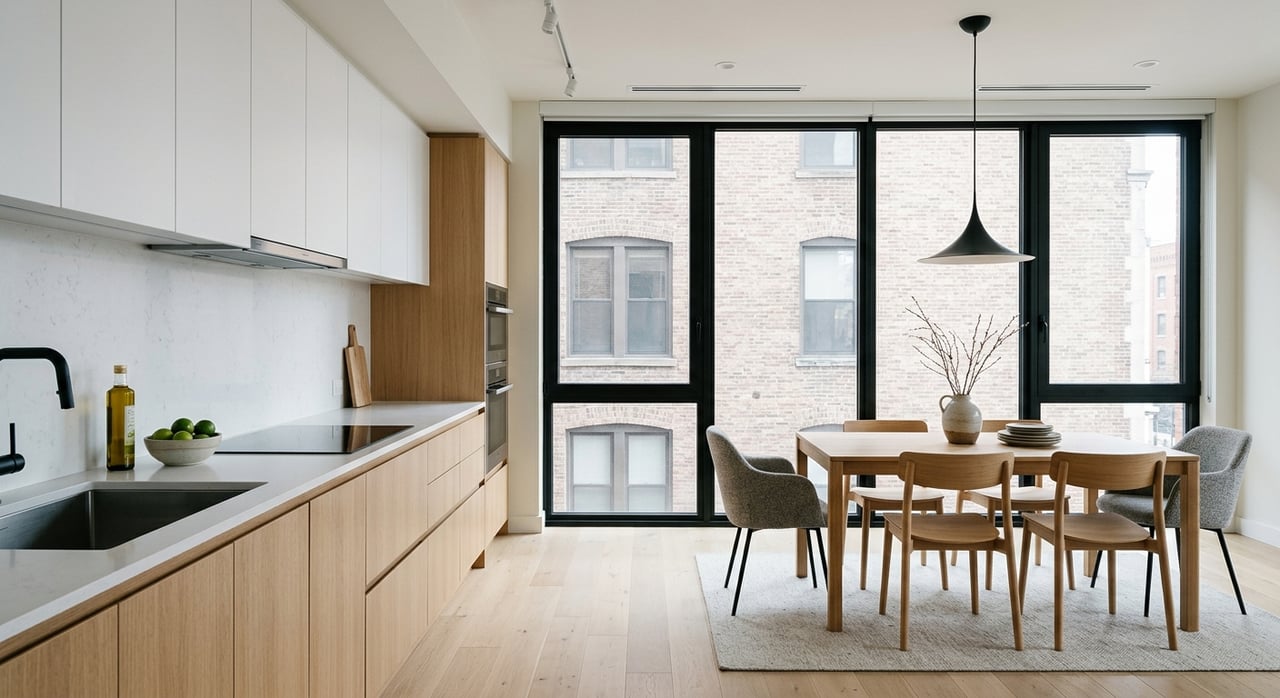
Newer and full-service buildings can offer a very different experience. In Back Bay, examples like Four Seasons One Dalton and other luxury residences highlight amenities such as concierge service, fitness areas, pools, and in some cases children-focused spaces.
For families, these buildings may make daily logistics easier. Elevator access, staffed entry, package handling, garage parking, and amenity spaces can reduce friction in ways that matter when you are juggling work, school schedules, and household routines.
Outdoor space is a real neighborhood strength
One of Back Bay’s strongest advantages for families is access to green space. While many condo buildings offer limited private outdoor area, the neighborhood is close to several major parks and play spaces that can function like an extension of your living room.
Commonwealth Avenue Mall runs through Back Bay and spans 32 acres, connecting the Public Garden to the Charles River park system. It gives the neighborhood a green spine that is useful for walks, stroller outings, and everyday time outside.
Nearby, the Public Garden and Boston Common add even more outdoor options. Boston Common includes playground features and the Tadpole Playground area, while the Charles River Esplanade offers a larger recreational setting with more than five miles of paved pathways and three playgrounds for year-round use.
If your family wants additional recreation options, the Back Bay Fens and other Boston park resources add another layer of flexibility. For many buyers, this park network is one of the clearest reasons Back Bay can work well for family life despite smaller private indoor and outdoor space.
School planning takes early research
If you are moving to Back Bay with children or planning ahead, school logistics are important to understand upfront. Boston Public Schools does not follow a simple neighborhood-school model in the way some suburban communities do.
According to the Boston Public Schools student assignment policy, families receive a customized list of school options based on their home address. For K0 through grade 8, that list includes schools within one mile and other nearby options, and many families receive about 10 to 14 choices. High schools remain citywide options.
That means your condo address matters, but it does not guarantee one specific school. If school planning is a major factor in your move, it is wise to review the assignment process early and build timing into your home search.
Childcare and preschool need a strategy
For younger children, childcare and preschool planning can be just as important as your home search. In practice, many Back Bay families look not only within the neighborhood but also across nearby areas to find infant care, toddler care, or after-school coverage that fits their needs.
Boston Pre-K information from BPS explains that K0 and K1 classrooms in public schools are part of Boston Pre-K, with eligibility tied to your home address and availability limited to Boston residents. Families can also compare program options through Great Starts.
For additional licensed child care options, the Massachusetts EEC child care directory can help you search by geography. If you need school-age support, BPS before- and after-school resources point families toward district and community-based programs.
Historic district rules can affect renovations
If you are buying with plans to update a condo, Back Bay’s historic protections should be part of your decision. Because the neighborhood is within a protected historic district, some exterior changes are reviewed by the Back Bay Architectural Commission.
The district guidelines explain that exterior work must respect the area’s historic character and may be subject to limits involving facades, vents, rooftop mechanical equipment, and similar elements. Seasonal window air conditioners are allowed without commission approval, but larger projects can be more complex than they would be in a newer suburban condo setting.
This matters if you are hoping to rework windows, exterior systems, or other visible building components. A condo that seems like a simple update on day one may involve more review than expected.
The biggest tradeoffs to weigh
Back Bay can be a strong fit for families, but it works best when your priorities align with what the neighborhood does well. In general, it is especially appealing if you value walkability, transit, parks, and condo amenities more than lot size or private outdoor space.
The biggest strengths include:
- Excellent walkability and transit access
- Strong park and playground access nearby
- A mix of historic and full-service condo options
- The possibility of living comfortably with less dependence on a car
The biggest tradeoffs include:
- Limited space in some older buildings
- Tight or managed parking
- More planning around school and childcare systems
- Historic-district review for some exterior changes
For many households, the question is less about whether Back Bay is family-friendly in a general sense and more about whether it matches your version of family life.
How to shop smarter in Back Bay
If you are serious about raising a family in a Back Bay condo, go into your search with a clear checklist. Focus on how a home supports your routines today and how it might need to function two or three years from now.
A practical search checklist often includes:
- Minimum bedroom count plus one flexible room if possible
- Stroller and gear storage
- Laundry in the unit or building
- Elevator access if stairs would be a challenge
- Parking or a realistic no-car plan
- Proximity to parks, transit, and everyday errands
- Building rules and renovation considerations
Back Bay rewards buyers who look closely at building-level details. Two condos with similar square footage can feel very different once you factor in layout, storage, amenities, and how easy the building makes everyday family life.
If you want help evaluating Back Bay condos through a practical family lens, Downtown Boston Realty can help you compare buildings, layouts, and neighborhood tradeoffs so you can make a confident move.
FAQs
Is Back Bay a good Boston neighborhood for families in condos?
- Back Bay can be a strong fit if you value walkability, transit, parks, and convenient condo living more than having a large yard or easy private parking.
What condo features matter most for families in Back Bay?
- The most useful features often include elevator access, in-unit laundry, storage, parking, and a flexible extra bedroom or den.
How do Boston Public Schools work for Back Bay families?
- Boston Public Schools uses a home-based assignment system for K0 through grade 8, which gives families a customized list of school options tied to their address rather than one guaranteed neighborhood school.
Are there parks and playgrounds near Back Bay condos?
- Yes. Back Bay is close to Commonwealth Avenue Mall, the Public Garden, Boston Common, the Charles River Esplanade, and the Back Bay Fens.
Can you renovate a Back Bay condo easily?
- Interior updates may be more straightforward, but exterior changes can be subject to review because Back Bay is a protected historic district.
Do Back Bay families need a car?
- Not always. Back Bay’s high walkability and transit access make car-light living realistic for many households, though parking can still be important depending on your routine.