Thinking about a condo in South Boston and torn between a shiny new build and a classic converted triple-decker or loft? You’re not alone. Each path offers real trade-offs in amenities, fees, warranties, and inspection risks. In this guide, you’ll get a clear, side-by-side look at what to expect so you can match your choice to your budget, timeline, and lifestyle. Let’s dive in.
South Boston condo options at a glance
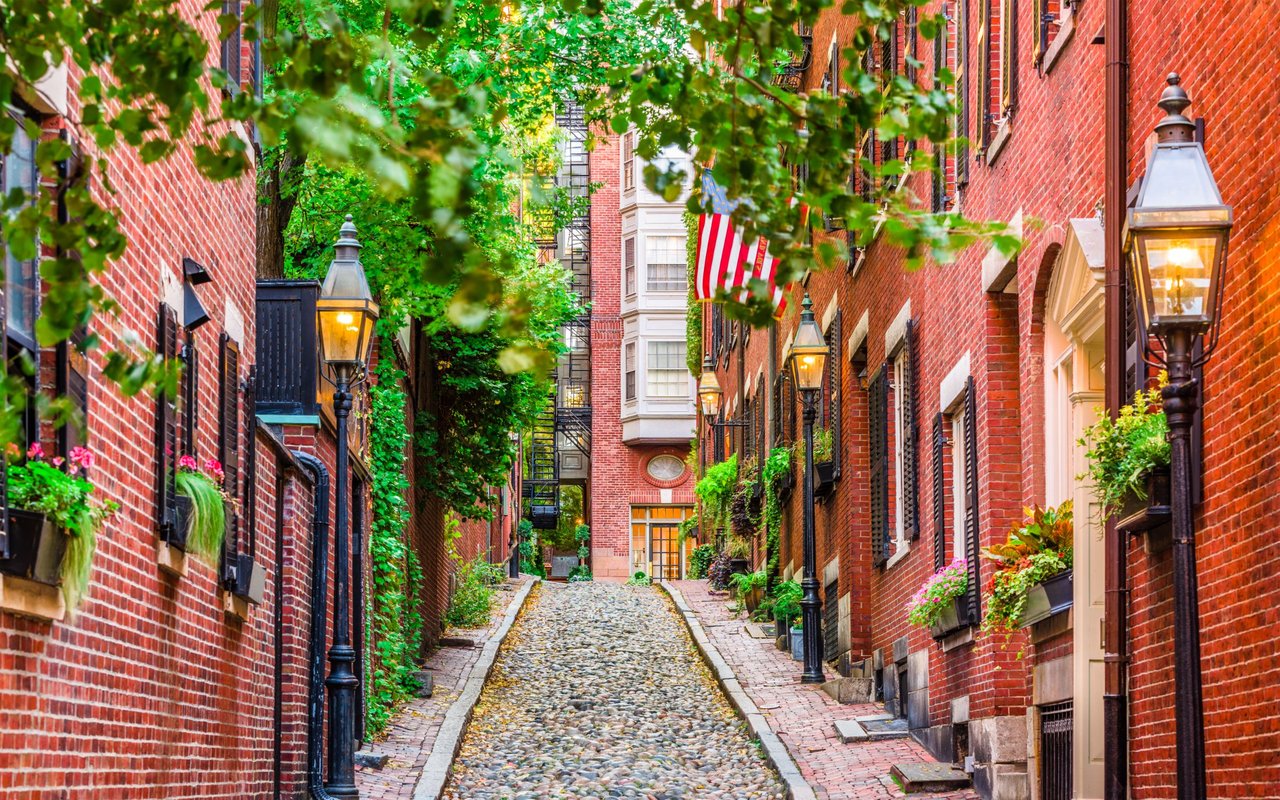
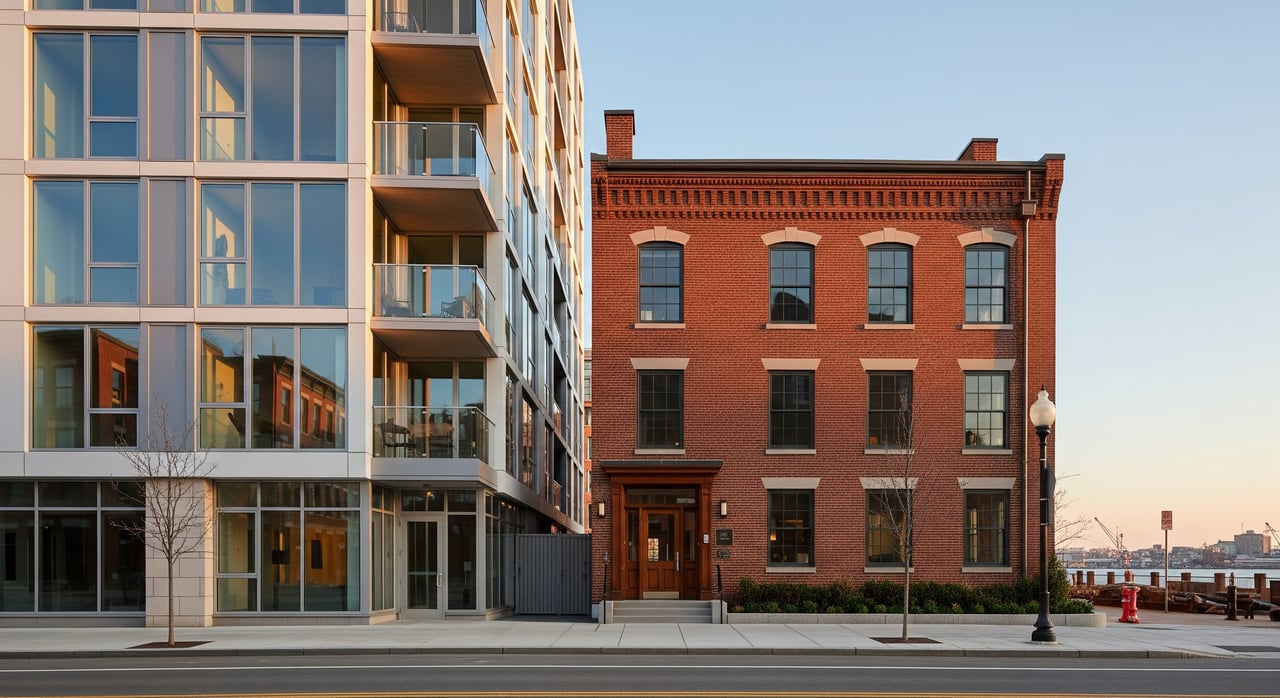
South Boston mixes historic triple-deckers and brick walk-ups with newer mid-rises and boutique luxury projects. Close-in blocks near the Seaport and West Broadway tend to see more new construction and full-service buildings. Interior streets often feature conversions with fewer shared amenities and modest fees. Flood exposure is a local factor, so confirm property-specific risk and design details.
New-build condos: what you get
New buildings in South Boston often deliver modern amenities like fitness rooms, package areas, bike storage, rooftop spaces, and in some cases concierge or on-site management. You also get construction to current codes and new mechanicals, which can reduce early maintenance surprises. These features usually come with higher monthly condo fees and more complex common systems to maintain.
New-build pros
- Modern amenities and common spaces
- New systems, energy code compliance, and manufacturer warranties
- Better documented fire protection and accessibility
New-build considerations
- Higher monthly dues due to amenities, elevators, and on-site services
- Early HOA reserve balances can be low before developer turnover
- Potential for special assessments if reserves are underfunded after turnover
Conversion condos: what you get
Converted triple-deckers and lofts usually offer simpler common areas with lower monthly fees. Many buyers like their house-like feel, neighborhood character, and often faster closing timelines. On the flip side, older buildings may carry deferred maintenance or hidden system issues that require careful inspection.
Conversion pros
- Lower monthly fees in smaller, amenity-light associations
- Often quicker closings than pre-construction buys
- Potentially lower price per unit in some cases
Conversion considerations
- Older plumbing, electrical, or exterior components may need upgrades
- Limited or no builder warranty; rely on inspections and seller disclosures
- Sound transfer and insulation can vary widely by building
Warranties and construction assurances
New-builds typically come with a limited builder warranty, often one year for workmanship and limited coverage for major systems beyond that. Some projects may also carry a third-party structural warranty, though availability varies by developer. Conversions are usually resales without builder coverage; any warranty is likely limited to seller-provided plans or manufacturer coverage on newer appliances and systems.
Monthly fees, reserves, and long-term costs
Expect higher dues in new mid-rises that include elevators, sprinklers, larger common areas, and staff or concierge. Conversions tend to have smaller budgets and lower fees, but older roofs, siding, and plumbing can drive future capital projects. For either type, review the HOA’s reserve balance, reserve study, and recent budgets to gauge whether savings align with building age and upcoming needs.
Insurance and flood risk in South Boston
New buildings often carry comprehensive master policies, but premiums depend on size, construction, and flood exposure. Conversions may show a history of water or plumbing claims. In South Boston, confirm whether a property sits in a FEMA flood zone and ask where mechanicals and electrical equipment are located. Many new developments elevate equipment to reduce flood risk; older buildings may not.
Building code and safety
New-build condos are constructed to current Massachusetts code and typically include sprinklers, fire-rated assemblies, and code-compliant egress. Conversions can be grandfathered where allowed, but permitted renovation work should show upgrades like proper fire separations and modern smoke and CO detection. Always verify permits and completion for major renovations in older buildings.
Sound, privacy, and construction quality
Modern wall and floor assemblies in new projects often provide better sound control. That said, performance varies by developer and execution, so test during showings. In conversions, party-wall sound transfer can be noticeable if insulation and assemblies were not upgraded during renovation. If quiet is a top priority, ask detailed questions and visit at different times of day.
Financing, appraisal, and resale
New-builds can command higher prices per square foot and may offer developer incentives or preferred lenders. Appraisals are usually supported by recent sales in the same building once enough units have closed. For conversions, lenders will look closely at HOA financial health and insurance. FHA and VA buyers should verify condo eligibility early, especially in small associations or buildings with high investor ownership.
Parking, transit, and daily convenience
Some new developments include structured parking and bike storage, though spaces are limited and costly. Converted triple-deckers often rely on street parking or limited off-street spots. Transit access is strong across much of South Boston, including the Red Line at Broadway and bus routes, but block-level differences matter, so check your commute specifics.
Which fits your timeline and budget
If you want turnkey living, amenities, and are comfortable with higher monthly dues, a new-build may fit best. If you value lower fees, a neighborhood feel, and a quicker closing, a conversion could be the better match. Investors should weigh owner-occupancy rules, rental policies, and maintenance risk in each building type.
Due diligence: documents to request
Ask for these items before you commit:
- Condominium master deed and bylaws
- Current budget and the last 2–3 years of budgets
- Most recent reserve study and current reserve balance
- HOA board meeting minutes for 12–24 months
- Master insurance declarations and deductibles
- History of special assessments and any current assessments
- Recent and planned capital projects with contracts and warranties
- Owner-occupancy percentage and rental or short-term rental rules
- For conversions: certificate of occupancy and permit records for renovations
- For new-builds: developer disclosure package, warranty terms, and turnover plan
Inspections: where to focus
Converted triple-deckers and lofts
- Roof age and condition; siding, flashing, and window integrity
- Moisture signs in basements, attics, and exterior walls
- Plumbing age and material; sewer-line condition and connections
- Electrical capacity, panel type, and grounding
- Heating system age and maintenance history
- Fire separation, smoke/CO detector coverage, and egress
- Environmental concerns like lead paint, asbestos, and mold
- Sound transmission and floor/ceiling bounce
- Verification that major renovations were permitted and inspected
New-build condos
- Punch-list status and documentation of completed fixes
- Window and door installation details and water management
- HVAC and hot water commissioning and balance
- Placement of mechanicals relative to expected flood elevations
- Elevator certification, roof warranty, and riser access
- Written warranty terms and how claims are handled
- Developer control timeline and association turnover plan
HOA and reserve red flags
- No reserve study or an unusually low reserve balance for the building’s age
- Frequent special assessments or a large recent assessment without a plan
- High master insurance deductibles or recent claims history
- Pending litigation involving the association or developer
- Prolonged developer control with unclear turnover schedule
- High investor ownership that could affect lending and stewardship
- Deferred maintenance in minutes or budgets without a timeline to address it
- Lack of recent financial statements or refusal to share budgets and minutes
Smart questions to ask before you offer
- What exactly do monthly dues cover, and what is not included?
- What is the current reserve balance, and is there a recent reserve study?
- Any planned capital projects or pending special assessments?
- What are the master insurance coverages and deductibles?
- What is the owner-occupancy rate, and what are the rental rules?
- For conversions: were renovations permitted, and can you share the permit history?
- For new-builds: which warranties are included, and how are claims processed?
- Any code violations, disputes, or litigation affecting the building?
Your next step
Choosing between a new-build and a conversion in South Boston comes down to what you value most: amenities and predictability, or lower fees and neighborhood character. With the right documents and inspections, you can make a confident choice that fits your budget and timeline. If you want help comparing specific buildings or reviewing HOA docs, connect with our local team at Downtown Boston Realty.
FAQs
What is the biggest cost difference between new-build and conversion condos in South Boston?
- New-builds often have higher monthly dues due to amenities and larger common systems, while conversions typically have lower fees but may face upcoming capital projects.
Why are HOA reserves so important when buying a condo in South Boston?
- Strong reserves help cover big-ticket items like roofs, elevators, or facade work and reduce the risk of special assessments that can impact your budget.
How does flood risk affect South Boston condos?
- Parts of South Boston are in FEMA flood zones; new builds may elevate mechanicals and meet stricter standards, and older buildings may have greater water-intrusion exposure.
What inspections are most critical for a converted triple-decker or loft?
- Focus on roof and envelope condition, plumbing and electrical age, fire separation and egress, environmental hazards, and verification of permitted renovations.
What do new-build condo warranties usually cover?
- Many include a limited builder warranty for workmanship and systems, plus manufacturer warranties on appliances and components; specific terms vary by project.
Which option typically closes faster: new-build or conversion condo?
- Resale conversions generally close faster, while pre-construction or under-construction purchases can face longer timelines tied to the developer’s schedule.