
If you are weighing South Boston against the South End for a rental investment, you are choosing between two of Boston’s strongest urban markets. Both command premium prices and healthy demand, but they perform differently when it comes to cash yield, management effort, and long‑term upside. In this guide, you will see how prices, rents, tenant trends, and building types stack up, plus clear examples of what strategies fit best in each area. Let’s dive in.
South Boston vs South End at a glance
- Prices: Recent neighborhood medians signal roughly the low to mid seven figures in the South End and just over one million in South Boston as of early 2026. Condo medians tend to show a similar spread. Always confirm with current MLS comps by property and unit type.
- Rents: Average apartment rents sit around South Boston’s $4,249 per month and the South End’s $3,943 per month based on RentCafe’s February 2026 data. Seaport and Waterfront product can skew South Boston’s averages higher.
- Yields: Using those averages against neighborhood-level sale medians produces simple gross yields in the low single digits. Expect net yields to tighten further after expenses.
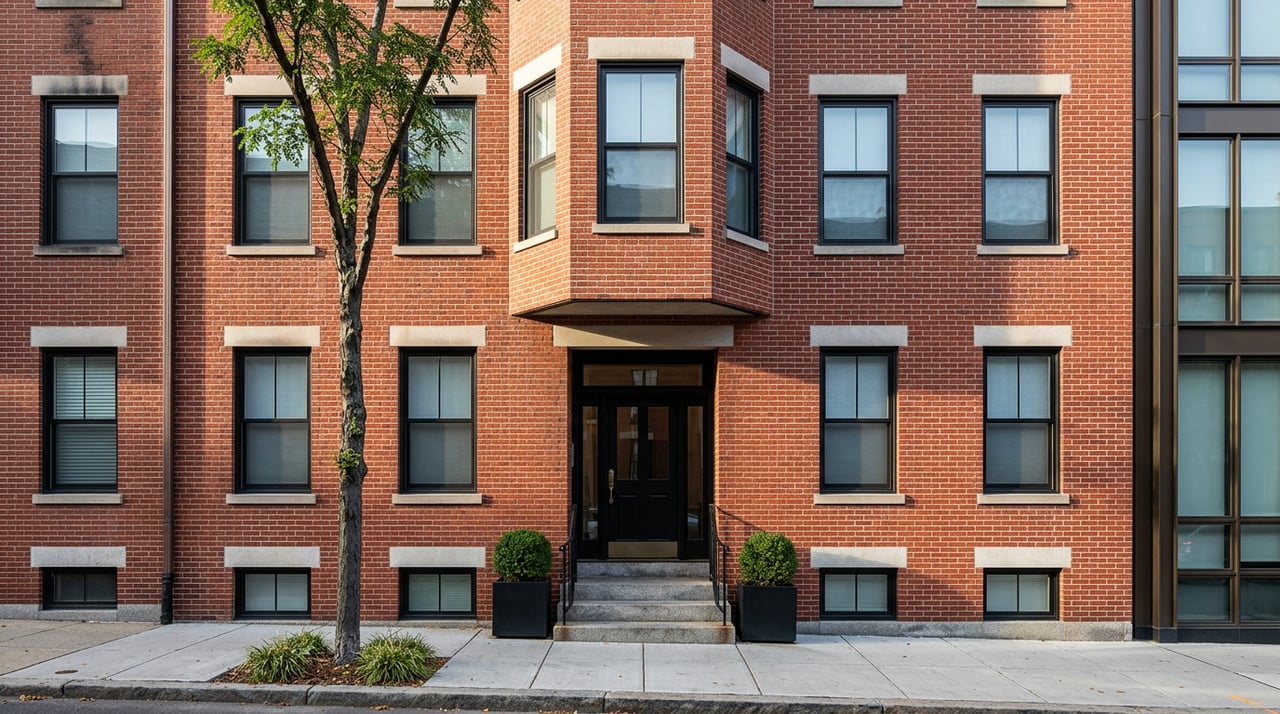
- Housing stock: The South End centers on historic brownstones and boutique buildings with preservation oversight. South Boston mixes classic 2–4 family triple-deckers with significant new development and a high-end Waterfront.
- Tenant mix and turnover: Both are renter-heavy and see normal urban lease churn. Downtown-core mobility trends are higher for renters than for owners, so plan for annual lease turnover.
What the numbers mean for cash yield
If you apply the RentCafe averages to illustrate gross yield, you get a quick read on cash potential before expenses.
- South End example: $3,943 per month is about $47,316 per year. Against a recent neighborhood median sale price near $1.30 million, that is about a 3.6 percent gross yield.
- South Boston example: $4,249 per month is about $50,988 per year. Against a recent neighborhood median near $1.06 million, that is about a 4.8 percent gross yield.
These are headline figures. After taxes, insurance, utilities, condo fees, management, maintenance, and vacancy, net cash yields in both neighborhoods commonly compress to the low single digits unless you buy well or create value. Industry surveys place stabilized infill cap rates in Boston in the low to mid single digits. That context helps explain why many investors in these areas lean on long-term holds, value-add plans, or both.
Who rents in each neighborhood
Understanding renter profiles helps you forecast demand, marketing, and turnover.
- South End: The South End draws professionals and households who value architecture, dining, parks, and proximity to medical and Back Bay job centers. Educational attainment is high, with about 64 percent of residents 25 and older holding a bachelor’s degree or more, according to BPDA’s neighborhood profile. The area has a high share of renter-occupied households.
- South Boston: South Boston reflects a mix of long-time residents and a growing population of young professionals and families. Bachelor’s degree attainment for residents 25 and older has trended upward over the last decade, and the Waterfront attracts workers from tech and life sciences. The broader neighborhood blends traditional housing with newer buildings and active leasing demand, as outlined by the BPDA’s South Boston overview.
Renter share and mobility: Both neighborhoods are renter-heavy. RentCafe’s neighborhood composition data indicates the South End has roughly 69 percent renter-occupied households and South Boston around 60 percent. In the urban core, annual lease turnover is common. Citywide data confirms that renters move more often than owners, so build a vacancy and re-rent buffer into your model. You can review Boston’s mobility context in U.S. Census QuickFacts.
Housing stock and renovation potential
Each neighborhood’s building types shape your investment plan.
- South End inventory: The South End is known for its Victorian brownstones, tree-lined streets, and boutique buildings. That character also brings preservation oversight. Exterior changes in the South End Landmark District may require review, which can affect timeline and cost for façade, window, or entry work. The City’s Historic Preservation page explains the process and focus of local commissions. For many investors, the South End favors premium condo product and lower-touch holds rather than heavy exterior renovations.
- South Boston inventory: South Boston includes older triple-deckers and 2–4 family buildings that can support cosmetic or operational value-add plays. It also includes substantial new supply and major projects in the South Boston Waterfront, often called the Seaport. The BPDA documents this mix in its South Boston overview and Waterfront at-a-glance. For small investors, classic 2–4 unit buildings can offer clearer rent upside if you improve layouts, finishes, storage, and in-unit amenities.
Which strategy fits you?
Buy-and-hold appreciation, lower touch
- Best fit: South End condos and well-located brownstone units.
- Why it works: The South End’s prestige, architectural scarcity, and strong buyer demand have supported values over time. This is often a fit if you prioritize tenant stability and long-term appreciation and can accept lower initial cash yield. Be mindful of condo fees and any leasing rules in the HOA bylaws.
Hands-on value-add for better cash flow
- Best fit: South Boston’s 2–4 family and triple-decker stock outside the Waterfront high-rises.
- Why it works: More small multifamily options let you buy at a workable basis, improve interiors and operations, and lift rents. Focus on units where adding in-unit laundry, updating kitchens and baths, improving common areas, and clarifying utility setups can raise net income. Newer Seaport product commands premium rents but usually carries higher purchase bases and more restrictive condo or HOA rules.
Hybrid or institutional-scale exposure
- Best fit: South Boston Waterfront and larger Class A assets.
- Why it works: The Waterfront has seen rapid growth in housing units and population and benefits from proximity to technology and life science employment centers. It suits investors who can commit higher equity and professional management and who accept exposure to new supply risk in exchange for premium rents and long-run neighborhood momentum.
What to expect for leasing and turnover
Both neighborhoods operate on a typical Boston leasing rhythm, with many move-ins clustered around summer and early fall. Expect annual turnover as a standard line item in your pro forma. Plan for seasonal vacancy, cleaning and touch-up prep between tenants, and marketing costs. The South End’s premium buildings can attract longer stays for some renters, while South Boston’s younger professional cohort and broader building mix may show more frequent annual moves. Model a vacancy reserve that fits your unit type and location.
Underwriting keys for Boston urban rentals
- Model conservative net yields. Start with a low single digit gross yield and subtract realistic operating expenses, condo fees, and reserves.
- Stress test financing. Debt service coverage is critical for investor loans. Review current DSCR program terms and interest rate scenarios. A practical overview of Boston landlord financing considerations is available from regional lender resources.
- Use building-level rent comps. RentCafe averages reflect larger buildings. Cross-check with active listings and, when possible, existing rent rolls by unit type in your target buildings.
- Price by product type. Medians vary widely between a brownstone condo, a renovated 2–4 family, and a Waterfront tower residence. Anchor your valuation to true peers.
Neighborhood-specific due diligence checklist
- Verify recent MLS comps by property type and by floor plan. Do not mix condo medians with small multifamily values.
- Cross-check rents for 1-bedroom and 2-bedroom units using building averages from RentCafe and live listings for similar buildings in each micro-area.
- Review historic-district requirements for the South End before underwriting exterior work. See the City’s Historic Preservation guidance.
- Read condo documents and HOA bylaws for any rental caps, minimum lease terms, pet rules, or significant fee increases in the reserve study.
- Understand condo conversion and tenant-protection rules if you plan to convert or reconfigure units. Greater Boston Legal Services outlines key local protections and notice requirements for conversions in its tenant protections guide.
- Confirm property taxes and assessments with the City of Boston. Budget for annual changes that can impact net cash flow.
- Inspect mechanicals and capital items. Roofs, boilers, electrical, and common areas can materially shift your first-year returns.
- Register rentals and check local health, safety, and lead compliance rules with ISD and the Office of Housing Stability.
- Build a vacancy and turnover buffer that reflects urban leasing patterns. City mobility data, such as Census QuickFacts, supports planning for renter movement.
Bottom line: Which works better for you?
- Choose the South End if you want a premium, lower-touch hold and can accept lower initial cash yield in exchange for long-term stability and neighborhood prestige. Focus on well-run condo associations and proven blocks.
- Choose South Boston if you want hands-on value creation with 2–4 family opportunities and a path to improve rents through cosmetic and operational upgrades. Be selective on street, building condition, and layout, and underwrite conservatively.
If you want a second set of eyes on the numbers, or help sourcing building-level comps and rent rolls, our team can help you compare options by address and by unit type. For integrated support across leasing, sales, and property management, connect with Downtown Boston Realty.
FAQs
What are average apartment rents in South Boston and the South End?
- RentCafe reports about $4,249 per month in South Boston and $3,943 per month in the South End as of February 2026, based on larger building data.
How do gross rental yields compare between the neighborhoods?
- Using those average rents and recent neighborhood sale medians, simple gross yields illustrate roughly 4.8 percent in South Boston versus about 3.6 percent in the South End before expenses.
Is the South End’s historic status a constraint for investors?
- The South End Landmark District reviews many exterior changes, so plan extra time and budget for façade or window work and prioritize interior upgrades that do not trigger exterior review.
Are 2–4 family buildings common in South Boston for value-add?
- Yes, South Boston includes many triple-deckers and small multifamily buildings that can support cosmetic and operational improvements to lift rents, alongside newer large-scale developments.
What vacancy or turnover should I plan for in these Boston neighborhoods?
- Expect annual turnover as normal for urban Boston rentals and budget a vacancy and re-leasing reserve that reflects your unit type, seasonality, and building location.