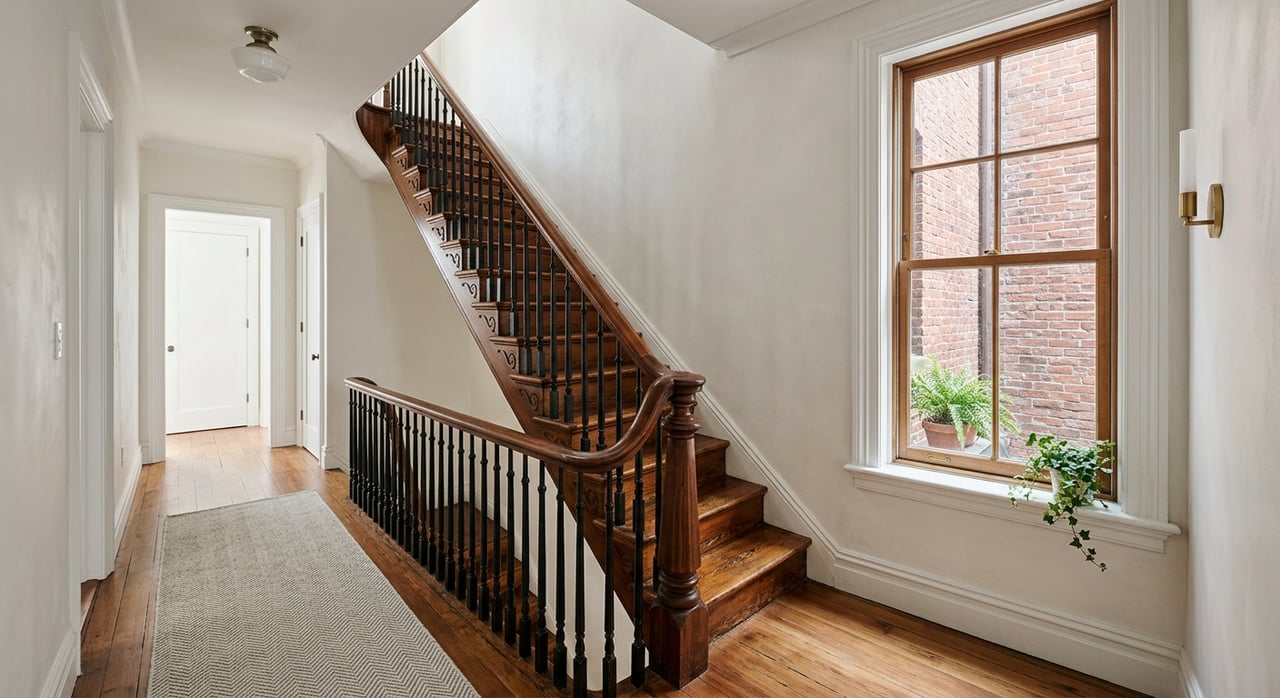
Have you ever walked into a South End brownstone condo, loved the marble kitchen and fresh millwork, and wondered what might be hiding behind the walls? In the South End, that question matters more than it does in many other Boston neighborhoods. If you are thinking about buying a renovated brownstone unit, knowing what to ask can help you spot risk early, protect your investment, and move forward with more confidence. Let’s dive in.
Why South End renovations need a closer look
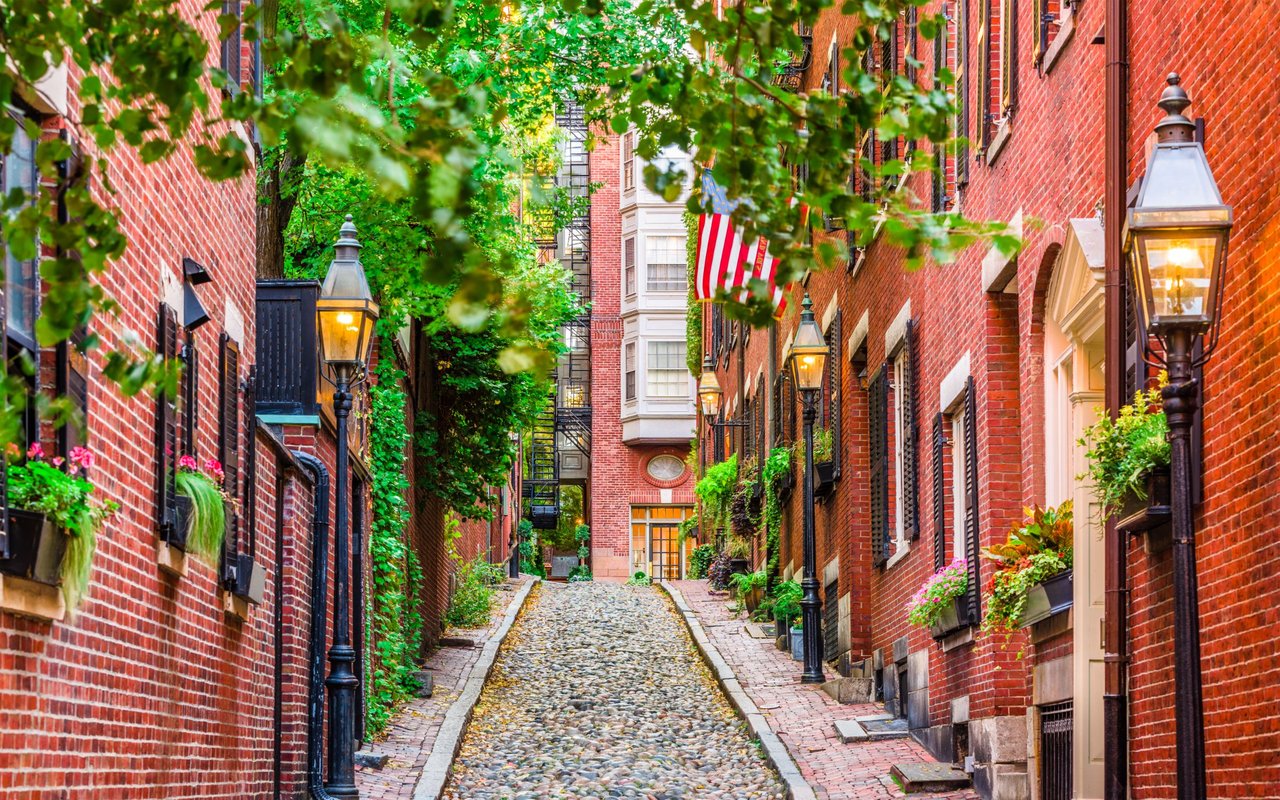
South End brownstones are often converted nineteenth-century rowhouses, and the neighborhood sits within Boston’s South End Landmark District. That means visible exterior work can be subject to landmark review, and approved work is used to secure the related building permit.
For you as a buyer, that changes the way you should evaluate a renovation. A beautiful finish package is great, but the real test is whether the work has the right paper trail behind it.
In many South End purchases, permits, approvals, occupancy records, and condo documents matter just as much as the design itself. If those items do not line up, you could face questions later from your lender, your attorney, your inspector, or a future buyer.
What buyers should verify first
Before you get attached to the staging and layout, start with the renovation history. Boston offers a historical permit search by property address, and buyers can ask for document images and final sign-offs.
This is especially important if the renovation involved structural work, a change in occupancy, or major reconfiguration. Boston states that structural work or a change of occupancy uses the long-form alteration or change-of-occupancy permit path.
Check the permit trail
Ask which permits were pulled for the renovation and whether the work received final sign-off. If the seller or listing side cannot clearly show that record, that is a sign to slow down and ask more questions.
You should also ask whether building plans are available. In Boston, some plan records may require an in-person visit, so it helps to know early whether your attorney, inspector, or agent will need to dig deeper.
Confirm legal occupancy records
A renovated brownstone condo may look fully updated, but that does not automatically mean the occupancy record is complete. Boston says a certificate of occupancy is needed before certain work, including major renovations and additions, changes to exits or capacity, occupancy changes, and fire-prevention-system changes.
If the work touched those areas, ask whether the building has a record of legal occupancy and whether the relevant occupancy documentation is complete. This is one of those details that can feel boring during showings but become very important during underwriting and closing.
Why landmark approvals matter in the South End
The South End Landmark District has design standards that shape what can be done on the outside of a building. In general, the district standards retain original window openings and prefer repair over replacement of historic wood windows.
The standards also state that roof decks should not be visible from public ways, and visible rooftop mechanical or electrical equipment is generally discouraged. So if a listing highlights new windows, a roof deck, skylights, or rooftop HVAC equipment, you should ask whether those changes received South End design review approval before permits were issued.
Exterior work to ask about
If a condo has been renovated, ask specifically about:
- Window replacement or restoration
- Roof deck installation or modification
- Skylights
- Visible rooftop HVAC or other equipment
- Any other visible exterior alterations
In the South End, exterior work is not just a style question. It is a compliance question tied to both historic review and the permitting process.
Look past layout changes and square footage claims
A smart renovation often includes opening walls, moving kitchens, or reshaping floor plans. Those updates can improve daily living, but they also raise important questions about whether the work was structural and whether the legal condo description still matches the finished unit.
If walls were moved or square footage was reworked, ask whether the alteration was structural and whether the unit’s recorded boundaries or percentage interest were affected. Under Massachusetts condo law, percentage interests and common-expense allocations come from the master deed, and changes that materially affect assessments require consent.
Questions about the condo documents
You should ask for clarity on:
- The unit’s percentage interest
- Whether any amendment changed common-area allocations
- Whether any amendment changed limited common-area allocations
- Whether layout changes affected the legal description of the unit
These are not just technical details. They can affect monthly costs, ownership rights, and how cleanly the property transfers when you buy or sell.
Ask about lead paint and lead-safe work
Because many South End brownstones were built long before 1978, lead paint is a practical topic in renovation due diligence. For pre-1978 homes, sellers must disclose known lead-based paint hazards.
You should also ask whether paid renovation work that disturbed painted surfaces was completed by certified, lead-safe firms. If older painted surfaces were affected during window work, wall work, or other renovations, this is an especially important part of the file to review.
Lead questions worth asking
Ask the seller or agent:
- Was any work done on pre-1978 components?
- Is there a lead disclosure on file?
- Is there documentation showing lead-safe renovation practices when painted surfaces were disturbed?
Your inspector can also help you think through whether there are signs that older painted surfaces or disturbed components could still present lead-dust concerns.
Condo financials can matter as much as the renovation
A freshly renovated unit can still sit inside a building with financial issues. In a South End brownstone association, future costs often depend on the condition of the shared structure, common systems, and reserve planning.
Massachusetts condo law requires common expenses to be assessed at least annually. The law also requires an adequate replacement reserve fund that is separate from operating funds.
That means you should not assume a renovated unit is shielded from future building expenses. If reserves are thin, owners may still face special assessments for masonry, roofing, windows, common systems, or other shared projects.
Financial records to review
Ask the condo association or trustees for:
- The latest budget
- The latest financial report
- Reserve-fund records
- Meeting minutes
- Insurance records
- Major contracts
Massachusetts law requires associations to keep these kinds of records, including the master deed, bylaws, minutes, financial records, reserve-fund records, contracts, and insurance. The law also requires financial reports within 120 days after fiscal year-end, and larger condos need CPA review at least every two years.
Ask about assessments and delinquencies
You should also ask whether there have been any recent special assessments, pending assessments, or unit delinquencies. Massachusetts law allows associations to place liens for unpaid assessments, and unpaid common expenses or other sums assessed against the unit become part of the condo-payment trail reviewed at closing.
For buyers, this is simple: a polished interior does not eliminate building-level financial risk. The association’s records help you understand what costs may be coming next.
A practical South End buyer checklist
When you are considering a renovated brownstone condo, it helps to organize your due diligence by who should answer each question.
Ask the agent
- Which permits and design approvals exist for the renovation?
- Can I see the final sign-offs?
- Were windows, roof deck work, skylights, or visible mechanical equipment approved under South End standards?
- Was any work done on a pre-1978 component?
- Do you have lead disclosure or lead-safe renovation documentation?
Ask the inspector
- Were any walls removed or structural elements altered?
- Were exits changed or occupancy changed?
- Does the permit and occupancy trail appear complete?
- Does the current layout match what appears to have been permitted?
- Are there signs that older painted surfaces or disturbed components could still pose lead-dust risk?
Ask the condo association or trustees
- What is the unit’s percentage interest?
- Did any amendment change common-area or limited-common-area allocations?
- What is the current reserve balance?
- What major projects are funded over the next one to five years?
- Have there been any special assessments, pending assessments, or recent delinquencies?
- Can I review the latest budget, financial report, minutes, insurance, and reserve records?
What all of this means for your purchase
In the South End, cosmetic perfection is not the same thing as a complete and well-documented renovation. The most important parts of the story are often the least visible ones.
When you focus on permits, landmark approvals, occupancy status, lead documentation, and condo financial health, you put yourself in a much stronger position. You are not just buying a look. You are evaluating whether the renovation was properly handled and whether the building can support your investment over time.
That kind of due diligence is especially valuable in a neighborhood where historic character, shared building systems, and condo structure all play a major role in long-term value. If you want a local team that understands downtown Boston buildings and can help you evaluate the details behind the finishes, connect with Downtown Boston Realty.
FAQs
What should buyers ask about South End brownstone renovation permits?
- Ask which permits were pulled, whether the work required a long-form permit, and whether final sign-offs are available.
What should buyers ask about South End landmark approvals?
- Ask whether exterior changes such as windows, roof decks, skylights, or rooftop equipment received South End design review approval before permitting.
What should buyers ask about legal occupancy in a South End brownstone?
- Ask whether the building has a record of legal occupancy and whether major renovation work triggered updated occupancy documentation.
What should buyers ask about condo documents after a brownstone renovation?
- Ask whether walls were moved, whether the work was structural, and whether the unit’s boundaries, percentage interest, or common-area allocations were changed by amendment.
What should buyers ask about condo finances in a South End brownstone building?
- Ask for the latest budget, financial report, reserve records, meeting minutes, insurance, and details about any special assessments, pending assessments, or delinquencies.
What should buyers ask about lead paint in a renovated South End brownstone?
- Ask whether pre-1978 components were disturbed, whether the seller provided lead disclosure, and whether paid renovation work followed lead-safe requirements.