Are you torn between the South End’s classic brownstones and its sleek high-rise condos? You love the neighborhood’s style and location, but day-to-day details like stairs, light, fees, and parking will shape how you live. This guide lays out the practical differences, the costs and rules to expect, and a simple checklist to use at showings. Let’s dive in.
South End at a glance
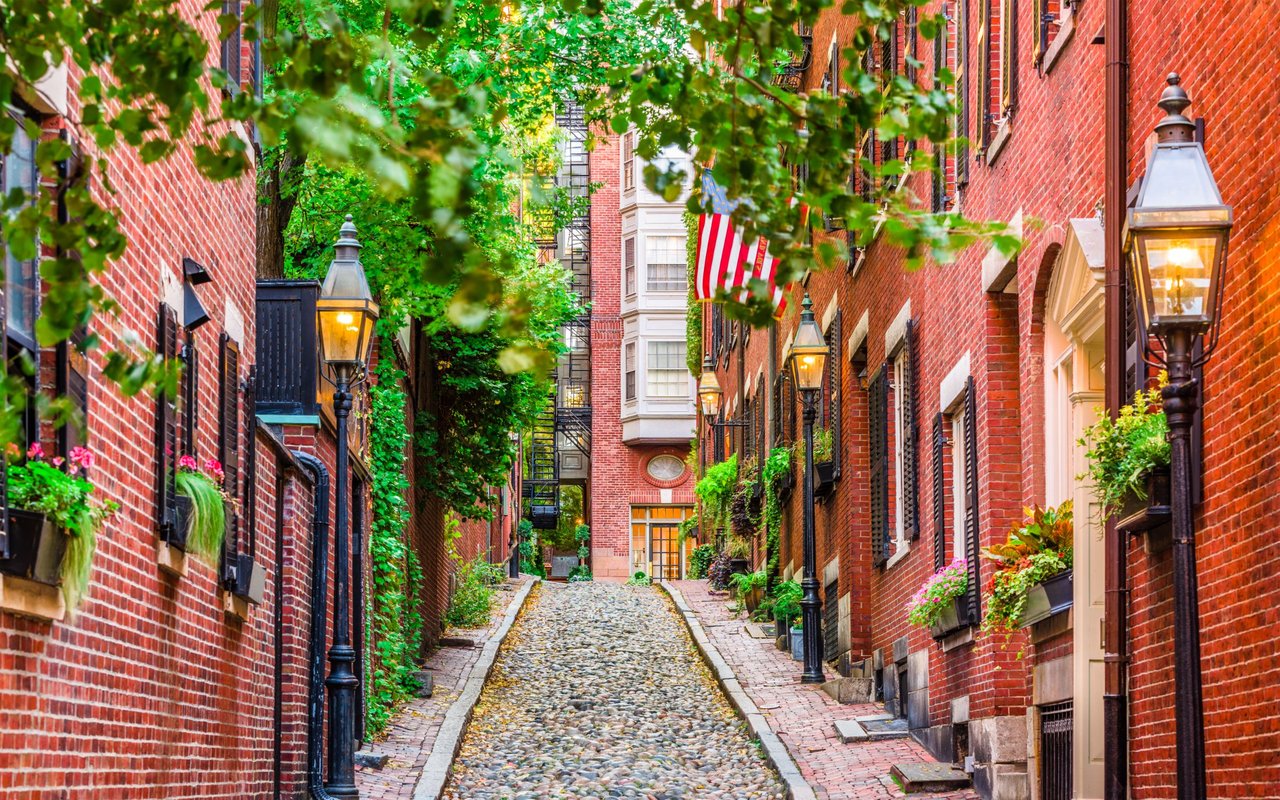
The South End blends 19th-century brownstone blocks, pocket parks like Union Park and Blackstone Square, and active commercial corridors. You are close to Back Bay, Chinatown, and the Fenway, with strong access to transit and daily services. That mix fuels demand for both historic and modern housing.
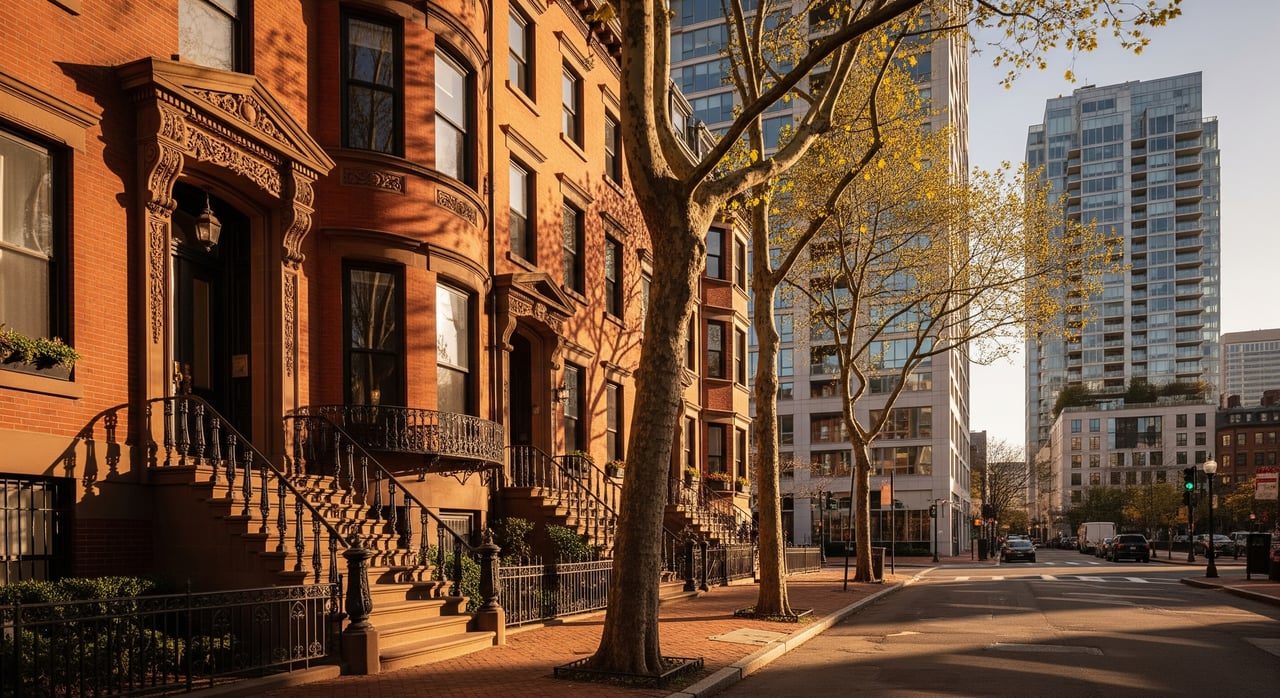
You will find intact rowhouses that are often converted into multi-unit condominiums, along with mid-rise conversions and newer condos. Recent development concentrates along corridors like Harrison Avenue and the Ink Block area, and near the Back Bay border. Large parts of the South End fall in historic districts, so exterior changes on brownstones often require municipal approvals that can affect cost and timelines.
Brownstone vs high-rise: key differences
Layout and living flow
Brownstone condos
- Expect multi-level living with interior stairs. Many units retain period details like high ceilings, decorative moldings, and fireplaces, but flow varies by conversion.
- Single-level living is uncommon unless the unit is garden or ground level. Storage may include basements, attics, or carriage spaces, depending on the building.
High-rise condos
- Most are single-level with elevator service. Layouts tend to be open plan with consistent ceiling heights and larger windows.
- Storage is typically in-unit closets plus assigned lockers. The amount varies by building.
Implication: If you want one-floor living or anticipate mobility needs, high-rise condos are usually a better fit.
Natural light and orientation
Brownstone condos
- Light concentrates at the front and rear. Narrow footprints can leave middle rooms dim unless there are skylights or light wells. Top-floor units or those with roof decks often get the best light.
High-rise condos
- Newer buildings feature large or floor-to-ceiling windows, with corner units offering multiple exposures. Deeper floorplates can limit light for some interior units.
Implication: If consistent daylight and wide views are priorities, newer high-rise glazing helps. If you value character, bay windows and skylights in brownstones may appeal.
Outdoor space
Brownstone condos
- Private options can include a front stoop, small rear yard or garden, a roof deck if permitted, or a shared garden. Ground-level yards are rare and vary in size.
High-rise condos
- Balconies and terraces depend on the unit. Common spaces like roof decks, courtyards, or pool decks appear in larger developments, often with reservation rules.
Implication: Choose brownstones if you want private, ground-level outdoor space. Choose high-rises if you prefer shared, maintained amenities.
Elevator access and accessibility
Brownstone condos
- Most do not have elevators. Retrofits are rare and expensive. Multi-level units can be challenging if you prefer fewer stairs.
High-rise condos
- Elevators are standard, and common areas are typically designed with accessibility in mind. This supports easier daily living and future flexibility.
Implication: For single-level living and elevator access, high-rise buildings are the straightforward choice.
Condo fees, services, and maintenance
Brownstone condos
- Small associations may have lower fees if there are limited amenities, but costs can rise for shared systems or exterior work. Historic buildings can face special assessments for masonry or façade projects.
High-rise condos
- Fees reflect amenities and services like concierge, gym, pool, garage, utilities, and building staff. These fees can be higher but often cover predictable maintenance and services.
Drivers of fees in both: reserve fund strength, staffing, insurance, utilities included, age of systems, elevator upkeep, and exterior repairs. Always compare line items and recent budgets, not just the fee amount.
Long-term maintenance and capital work
Brownstone condos
- Older structures can require masonry repointing, brownstone repair, roof replacement, window restoration, and foundation or waterproofing work. Preservation standards can increase costs for exterior projects.
High-rise condos
- Building systems are centralized and professionally managed. Capital projects are planned at scale, though assessments can still occur for items like roof membranes, façades, or elevator modernization.
Implication: If you prefer fewer personal maintenance decisions, high-rises offer structure. If you enjoy stewardship of historic features and can plan for periodic restoration, brownstones can be rewarding.
Parking and transportation
Brownstone condos
- On-street residential permits are common, and private garages are rare. Owning a car can be less convenient and more costly.
High-rise condos
- Many offer garage parking for a purchase price or monthly fee, which adds cost but improves reliability.
Implication: If dedicated parking is crucial, focus on buildings with garage options.
Renovation rules and historic constraints
Brownstone condos
- In historic districts, exterior changes like windows, stoops, façades, and rooftop elements often require approvals from preservation authorities. Timelines and materials may be regulated.
High-rise condos
- Interior updates follow standard permitting and condo bylaws. Changes visible from the exterior, like balcony elements, may be limited by building rules.
Implication: If you plan exterior changes or roof decks, factor in historic-district approvals and costs.
Which fits your lifestyle?
Lean toward a brownstone if you:
- Want historic character and architectural details.
- Prefer a home that feels like a house, with a stoop or small garden.
- Are comfortable with stairs and the responsibilities that come with older buildings.
Lean toward a high-rise if you:
- Want elevator access and single-level living.
- Value modern layouts, large windows, and on-site amenities.
- Prefer predictable building services and less hands-on maintenance.
Consider hybrid options if you like both: some mid-rise or loft conversions in the Harrison Avenue and Ink Block area combine historic shells with contemporary interiors and amenities.
A smart side-by-side checklist
Bring this checklist to showings:
- Layout: single floor or multi-level; square footage vs stair circulation.
- Light: exposures and orientation; skylights or roof deck access.
- Outdoor: private yard, balcony, roof deck, or shared courtyard.
- Accessibility: elevator, level entry, total stair count.
- Financials: monthly fee, what it includes, budget, reserve balance, recent or planned assessments.
- Building condition: roof age, façade and brick condition, windows, boiler or HVAC age, elevator history.
- Historic constraints: pending exterior work; permit needs for changes.
- Parking: assigned spaces, wait lists, or city permit options.
- Noise and privacy: party walls, street exposure, insulation.
- Rules: pets, rentals, and short-term rental policies.
- Resale: recent comparables in the building and on the block.
Cost and fee realities in South End condos
Condos live and die by their budgets and reserves. In brownstone associations, fees can look low because there is less staff and fewer amenities, but capital items like masonry, roof work, or window restoration can lead to special assessments. In amenity-rich high-rises, fees are often higher, yet they usually include staffing, security, and shared utilities, with larger reserve funds.
Always review what the fee covers and how the reserve fund aligns with upcoming projects. Ask for recent budgets, reserve studies if available, and a five-year history of assessments. It is better to compare the whole picture than to chase the lowest fee.
Due diligence you should do
Documents to request
- Condominium master deed, bylaws, and rules.
- Latest annual budget and financials, plus any reserve study.
- Board meeting minutes from the last 12 to 24 months.
- Insurance summary detailing association vs owner responsibilities.
- Records of recent assessments and planned capital projects.
- Building inspection reports and major contractor invoices.
- Historic-district permit history for brownstones.
- Unit disclosures for moisture, roofing, or party-wall agreements.
Inspection focus
- Brownstones: roof, chimneys, masonry or façade, basement dampness, interior stair safety, window condition, and presence of older electrical systems.
- High-rises: window seals and water infiltration, balcony or terrace condition, plumbing risers, HVAC operation, elevator reliability, and signs of deferred maintenance in common areas.
Financing considerations
- Some lenders require project-level approvals for condo associations. If you plan FHA or VA financing, confirm building eligibility early.
- One-to-four unit condos can have different underwriting than large developments.
- Lenders may account for pending assessments in underwriting.
Questions for the association or management
- What is the monthly fee and what does it include?
- How much is in the reserve fund, and is there a recent reserve study?
- Have there been special assessments in the last five years, or any planned?
- Who manages the building and how are maintenance requests handled?
- Are pets allowed, and what are the rental policies?
- For historic properties, is any preservation work upcoming?
Streets and buildings to explore
For classic brownstone living, walk Union Park, West Canton Street, West Newton Street, and the blocks around Tremont Street and Harrison Avenue. These streets show the stacked layouts, decorative façades, and stoops that define the South End.
For modern condos with amenities and parking options, explore Harrison Avenue and the Ink Block corridor, plus newer mid-rise and tower projects near the Back Bay border. Each building differs in fee structure, parking, and pet rules, so verify details at the building level before you choose.
Get local help, make a confident choice
Choosing between a brownstone and a high-rise is about how you want to live day to day. Use the checklists above, review the building financials, and walk the streets at different times to test light, noise, and access. If you want building-specific insight, fee comparisons, and a tailored shortlist, connect with the local team that works these properties every day. Reach out to Downtown Boston Realty to plan your next step.
FAQs
What should I compare when choosing a South End brownstone vs a high-rise?
- Focus on layout, light, outdoor space, accessibility, fees and reserves, building condition, parking options, rules on pets and rentals, and recent resale comparables.
Are South End brownstone exteriors subject to historic approvals?
- Many areas are in historic districts, so exterior changes like windows, stoops, and rooftop elements often require municipal approval that can affect cost and timing.
How do condo fees differ between brownstones and high-rises in the South End?
- Brownstone fees can be lower but may not include staff or amenities, and older exteriors can drive assessments; high-rise fees are often higher but cover services, staff, and predictable maintenance.
Is single-level living possible in a South End brownstone condo?
- Some garden or single-floor units exist, but many brownstone condos are multi-level, so confirm floor count and stair layout during showings.
How does parking typically work for South End condos?
- Brownstones often rely on on-street residential permits, while many high-rises offer garage spaces for an added cost; availability and fees vary by building.
What are key inspection items for South End brownstone and high-rise condos?
- Brownstones: roof, masonry, basement moisture, windows, and older electrical; high-rises: window seals, balconies, risers, HVAC, elevator condition, and overall maintenance history.