
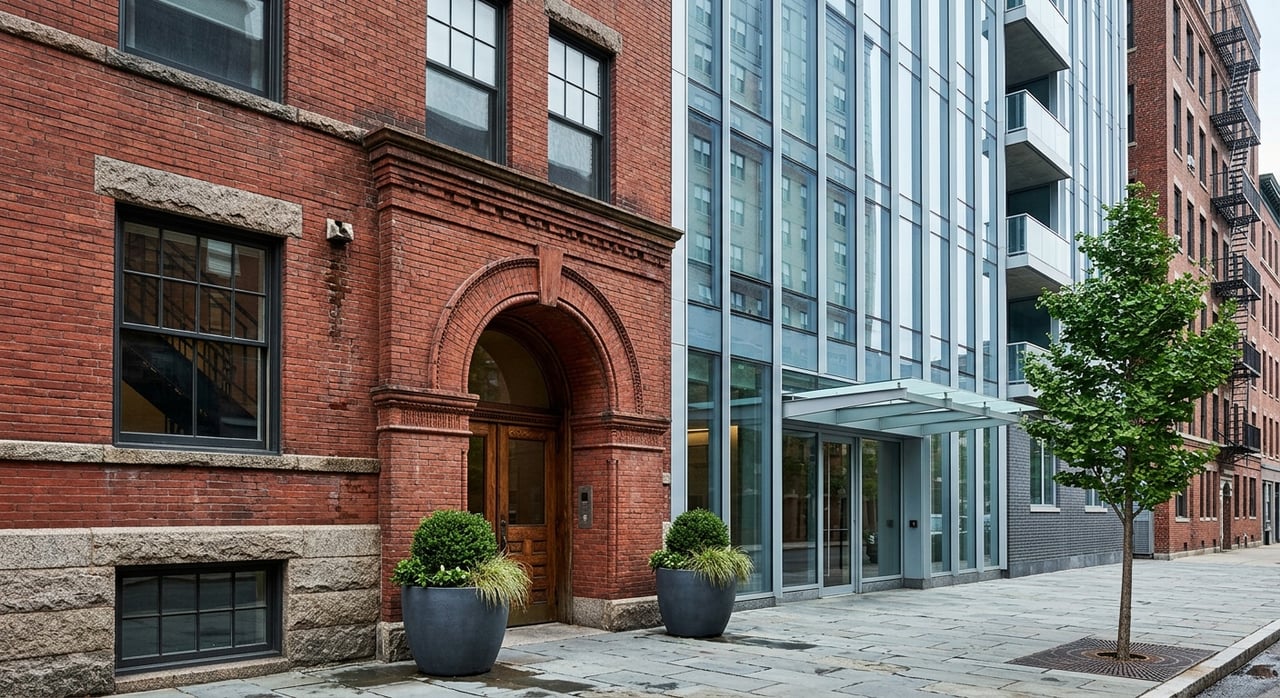
Choosing between Boston’s Waterfront and Seaport is not just about picking a view. Both areas put you close to the harbor, but they can feel very different once you look at building style, amenities, pricing, and daily routine. If you are trying to decide which condo market fits you best, this guide will help you compare the details that matter most so you can move forward with clarity. Let’s dive in.
Waterfront vs Seaport at a Glance
Boston’s Downtown Waterfront, often tied to the Wharf District, is the older harborfront core. City materials describe it as a historic, mixed-use area connected to places like Long Wharf, Central Wharf, India Wharf, Rowes Wharf, Harborwalk, and the Greenway.
Seaport is generally part of the South Boston Waterfront and Innovation District. City planning materials describe it as an area southeast of downtown across Fort Point Channel, where former industrial land and warehouses have been transformed into a major residential, office, and mixed-use district.
At a high level, the comparison often comes down to this: Waterfront tends to offer more historic character, while Seaport tends to offer newer construction and larger amenity packages. That does not mean every building fits the pattern, but it is a useful starting point.
Building Style and Character
Waterfront condos feel more historic
If you are drawn to exposed brick, beams, masonry exteriors, and older layouts, the Waterfront may feel like a better fit. Research examples in the area include restored wharf and warehouse buildings, such as Lewis Wharf, where the historic fabric is a major part of the appeal.
That older building stock can create a very specific kind of Boston experience. You may find more architectural detail, more one-of-a-kind floor plans, and a stronger connection to the harbor’s history.
Seaport condos feel newer and larger-scale
If your priority is modern construction, Seaport usually stands out. Planning materials and development examples like Fan Pier and Echelon Seaport show the neighborhood’s emphasis on large mixed-use buildings with modern design and extensive shared spaces.
In practical terms, Seaport inventory is more likely to include newer finishes, bigger glass lines, and a more polished tower-style living experience. For many buyers, that translates into convenience and a more turnkey feel.
Amenities and Services
Waterfront service levels can vary more
Because Waterfront condos include older conversions and smaller-scale buildings, service levels can vary widely from one property to the next. Some buildings may offer full-service features, while others may have more limited common areas or simpler building operations.
That building-by-building variation matters. Two Waterfront listings at similar price points may offer very different living experiences depending on age, staffing, common space, and maintenance structure.
Seaport often leans full-service
Seaport towers are more likely to market lifestyle amenities as a major selling point. Development examples in the research include 24-hour concierge, valet service, indoor and outdoor pools, fitness centers, sky lounges, terraces, and substantial retail integrated into the project.
If you want a condo where the building functions almost like an extension of your daily routine, Seaport may check more boxes. This can be especially appealing if you value on-site convenience and shared spaces you plan to use often.
Price Differences to Expect
Both neighborhoods are premium markets, and both sit above Boston’s citywide median listing price of about $895,000. Still, the pricing pattern is not exactly the same.
Current market snapshots in the research show Waterfront with a median recent sale price of about $1.235 million, about 68 days on market, and a sale-to-list price ratio near 95.1%. Realtor.com also showed a thin inventory snapshot in Waterfront, with 17 properties for sale and a median asking price around $1.63 million.
For Seaport and the South Boston Waterfront, Realtor.com showed a median listing price around $1.35 million, 93 homes for sale, and a median of 43 days on market. Redfin’s Seaport District sold-price snapshot was much higher, with a median sale price near $2.98 million and a median sale price per square foot of about $1.94K.
The big takeaway is simple: Seaport can reach materially higher price points, especially at the top end of newer luxury inventory. Waterfront is still expensive, but it may offer a wider mix of pricing depending on the building, service level, and exact setting.
Inventory and Market Pace
Waterfront is often thinner
Waterfront inventory appears more limited in current snapshots. That can make the search feel more selective, especially if you want a very specific combination of water view, parking, elevator access, and full-service features.
When inventory is thin, it becomes even more important to compare buildings carefully instead of relying on broad neighborhood averages. A buyer who moves too fast may miss important differences in condition, fees, and building setup.
Seaport usually gives you more choices
With more active inventory in the South Boston Waterfront snapshot, Seaport may offer a broader range of unit sizes, layouts, and service packages at any given time. It may also give you a better chance to compare multiple newer buildings side by side.
That kind of selection can be helpful if you are still narrowing your priorities. For example, you may be able to compare concierge service, parking, amenity packages, and monthly costs across several buildings in one search window.
Commute and Daily Routine
Waterfront works well for harbor access and downtown connections
Harborwalk is a major part of the Waterfront experience. Planning materials describe it as a continuous public walkway that connects neighborhoods to harbor destinations and public transit, including water transportation facilities.
Long Wharf is also an important marine transit hub for ferries, sightseeing boats, and harbor cruises. If your routine values ferry access, harbor proximity, and easy downtown walking, Waterfront may feel especially practical.
Seaport is multimodal and still evolving
Seaport’s transportation story is broader and still changing. The City is working on direct bus service between North Station, South Station, and the Seaport, and a commuter ferry stop at Pier 10 in Raymond L. Flynn Marine Park now connects North Station, Fan Pier, and the Eastern Seaport.
For some buyers, that means Seaport offers growing flexibility. If your work and social routine already centers on South Station, the Innovation District, or newer office corridors, the neighborhood may align well with how you move around the city.
Lifestyle and Atmosphere
Waterfront offers a more classic harbor feel
The Downtown Waterfront is described in planning materials as historically rich and mixed use. In day-to-day terms, that often feels more compact, more scenic, and more tied to Boston’s older harborfront identity.
If you want a condo in an area where the setting itself feels rooted in the city’s history, Waterfront can be very appealing. Many buyers like the sense of place that comes from older wharves, harbor edges, and nearby downtown destinations.
Seaport offers a more modern live-work-play feel
South Boston Waterfront and Seaport are described as a transforming creative, tech, and residential hub with a 24-hour mixed-use vision. Planning materials also point to major destinations like Fan Pier and nearby cultural institutions.
That usually translates into a busier, more contemporary energy. If you want modern buildings, active streets, newer retail, and a neighborhood shaped around mixed-use growth, Seaport may feel like the stronger match.
What to Compare Beyond the Neighborhood Name
A smart condo search in either area should go beyond broad labels. Building-level details matter just as much as neighborhood identity.
Here are a few practical questions to ask as you compare Waterfront and Seaport condos:
- Do you prefer historic character or newer construction?
- Are you comparing a converted loft-style building to a full-service tower?
- How important are concierge, valet, pool, and fitness amenities?
- Does your routine depend more on ferry access, commuter rail, or downtown walking?
- How much do HOA fees affect your monthly comfort level?
- Is parking essential for your day-to-day life?
- What flood resilience steps has the specific building taken?
These questions can help you compare condos on real lifestyle fit, not just marketing language.
Flood and Resilience Review Matters
Both neighborhoods are coastal, so resilience should be part of your review. Boston planning materials identify Long Wharf as one of the city’s more vulnerable flood pathways, and the City’s coastal resilience planning includes both Downtown/North End and South Boston.
The research also notes significant flood exposure in both Waterfront and South Boston Waterfront. Because risk can vary by building, elevation, and design, this is an area where building-specific diligence is important before you make an offer.
Which Neighborhood Fits You Best?
If you picture yourself in a condo with brick-and-beam character, wharf-adjacent views, and a more historic harborfront setting, Waterfront may be the better fit. It tends to suit buyers who value architecture, setting, and a classic downtown Boston feel.
If you want newer construction, larger amenity packages, and a more modern mixed-use environment with lots of activity nearby, Seaport may be the better fit. It often appeals to buyers who want convenience, service, and a more contemporary residential experience.
In the end, the best choice usually comes down to your priorities, your budget, and the exact building. If you want help comparing specific condos in either neighborhood, Downtown Boston Realty can help you sort through building differences, pricing, and day-to-day fit with a practical local perspective.
FAQs
How do Waterfront condos in Boston usually differ from Seaport condos?
- Waterfront condos are more often tied to older wharf or warehouse-style buildings with historic character, while Seaport condos are more often in newer, larger-scale developments with broader amenity packages.
Are Seaport condos more expensive than Waterfront condos in Boston?
- Both are premium markets, but the research suggests Seaport’s top-end new-construction inventory can reach higher price points than Waterfront condos.
Is the Boston Waterfront better for ferry access?
- The Waterfront has strong ties to harbor transportation, especially around Long Wharf, which planning materials describe as a major marine transit hub.
Do Boston Waterfront and Seaport condos have flood risk?
- Yes. Both neighborhoods are coastal, and the research indicates that buyers should review flood exposure and resilience measures at the specific building level.
Which Boston neighborhood is better for newer condo amenities?
- Seaport is generally more likely to offer full-service features such as concierge, valet, pools, fitness centers, and large common spaces, though amenities still vary by building.
What should you compare when choosing between Waterfront and Seaport condos?
- Focus on building age, amenity package, HOA fees, parking, commute pattern, flood resilience, and whether you prefer historic character or newer construction.