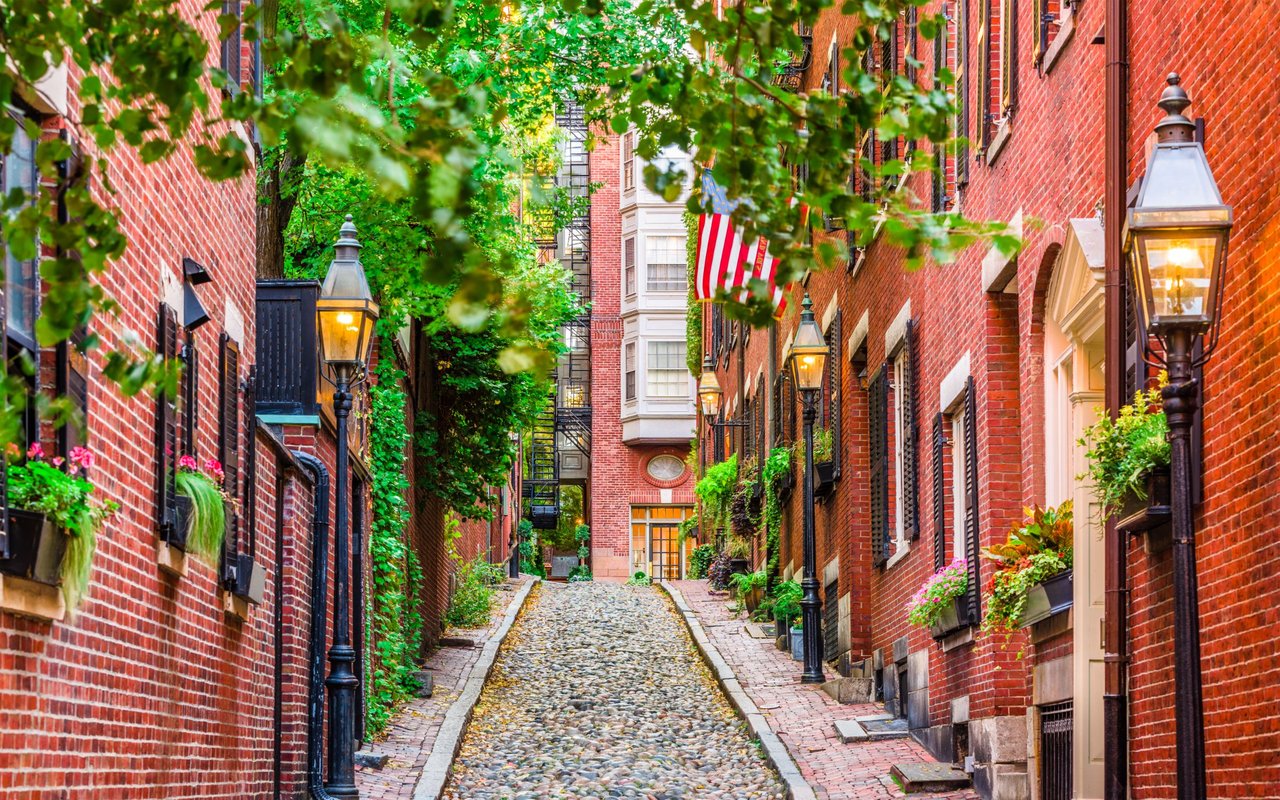
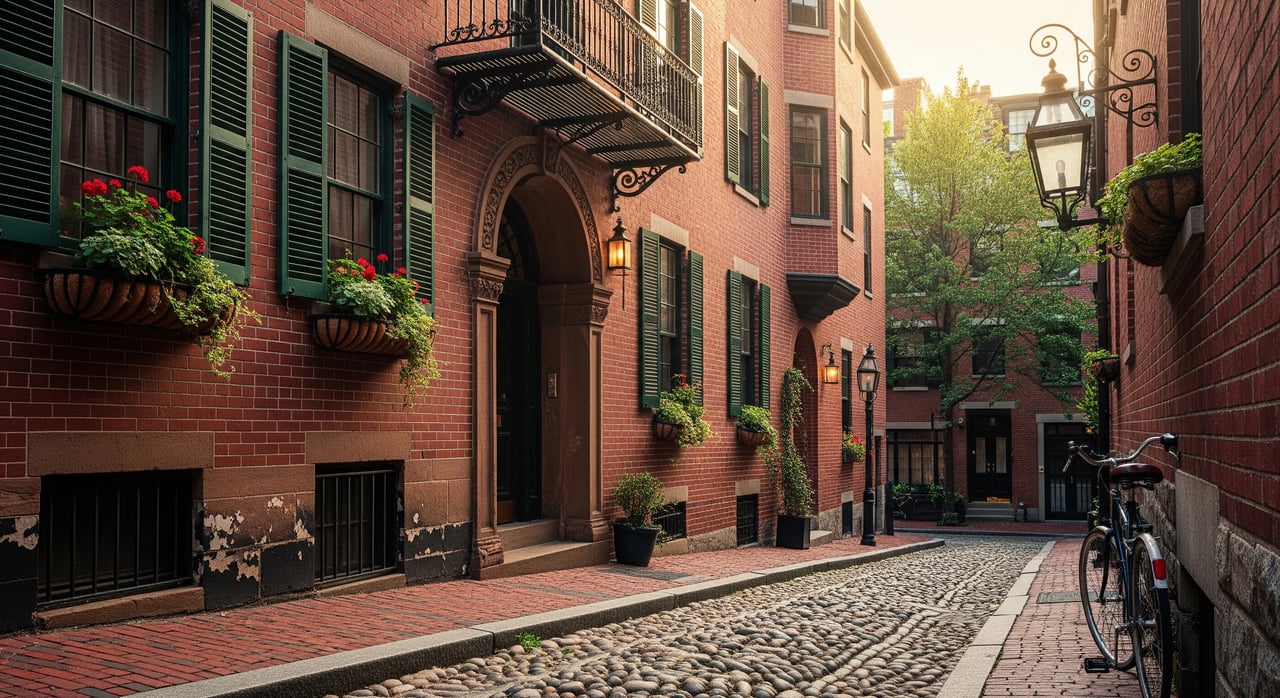
Love the idea of stepping out to the smell of fresh espresso and the sound of a lively street scene? If you picture a compact, historic neighborhood with brick rowhouses, tiny markets, and café tables lining the sidewalks, Boston’s North End may be on your short list. It delivers charm in spades, but it also comes with tradeoffs like limited parking, smaller homes, and seasonal crowds. In this guide, you’ll get a clear, practical look at daily life, housing, transit, and what to check before you rent or buy. Let’s dive in.
North End at a glance
The North End is one of Boston’s oldest neighborhoods, known for its Italian-American heritage and family-run businesses. You’ll find landmarks like the Old North Church and Paul Revere House woven into daily life, with parts of the neighborhood on the Freedom Trail. The Rose Kennedy Greenway borders the area, giving you a linear park and a connection to the waterfront.
What many people call the “European feel” comes from narrow streets, human-scale buildings, and a dense mix of small shops and eateries. Because the neighborhood is compact and close to downtown jobs and attractions, it draws heavy foot traffic, especially around Hanover Street and the waterfront.
Daily errands and walkability
If you want a car-light lifestyle, the North End makes it easy. Most errands, gyms, cafés, and many workplaces are within a short walk. You’ll find several small specialty grocers and Italian markets for everyday cooking.
Full-size supermarkets are limited within the neighborhood itself. Many residents walk or hop to nearby areas like the West End or Downtown Crossing for larger grocery runs, or they use delivery. Plan your routine with this in mind, especially if you cook often or stock up in bulk.
Restaurants and cafés
Dining is part of the neighborhood’s identity. The North End has one of the city’s highest concentrations of restaurants, with a strong focus on Italian cuisine, seafood, and pastry shops. It is easy to build a routine around your favorite espresso bar or trattoria.
Expect lines at well-known spots and more sidewalk congestion during peak seasons and weekends. You can still enjoy walk-up meals on quieter side streets or by timing your visits for off-hours. Weeknights and shoulder seasons often give you a more relaxed experience.
Green space and waterfront access
You will not find many big interior parks or private yards inside the North End. Instead, the neighborhood opens onto the Rose Kennedy Greenway and the Harborwalk. Christopher Columbus Park and the waterfront provide lawns, views, and places to sit or stroll.
The Greenway is programmed with rotating art and events, which adds energy and activity. It can also bring crowds, so if you prefer a quieter run or dog walk, try early mornings or weekdays.
Noise, crowds, and seasonality
From spring through fall, the streets get busier with tourists and local visitors. Weekends are the most active, especially around festivals and neighborhood feasts. The buzz is part of the appeal for many residents.
Noise is concentrated near Hanover and other commercial blocks, but residential side streets can still experience delivery sounds early in the morning and later at night. If sound is a concern, factor location, unit placement, and building soundproofing into your search. Visit at different times of day and in different seasons if you can.
Homes and buildings
Housing here is defined by historic character. You’ll see brick rowhouses, low-rise walk-ups, and many condo conversions. Units tend to be smaller than suburban homes, with lots of one- and two-bedroom layouts. Multi-level townhomes and duplexes do appear, but are less common than compact condos.
Older buildings can come with quirks and charm. Think narrow staircases, fewer elevators, and systems that have been upgraded over time. During due diligence, pay attention to roof and chimney maintenance, plumbing and electrical updates, ventilation, and insulation. Storage can be tight, so verify in-unit and basement space, plus any bike storage.
Historic context and renovations
Portions of the North End fall within local or national historic districts. Exterior work often requires review and approval, and that can affect timelines for windows, facades, or larger changes. Interior renovations must also align with building codes and structural limits. Adding an elevator, for example, can be complex and costly in older buildings.
If you are buying a condo, review association bylaws, reserve funds, maintenance history, and any special assessments. Ask about rules around pets and rentals, including any short-term rental restrictions that might apply.
Market dynamics to expect
Because of the neighborhood’s location, character, and size, supply tends to be tight. New construction sites are limited, so turnover is modest. Homes that are well located and move-in ready can draw strong interest.
Expect competition for standout properties. If you are focused on a specific block or building, have your paperwork in order and be ready to move when the right home appears. For current pricing and inventory, consult up-to-date local market reports before you set your budget.
Transportation and parking
Public transit access is a major strength. You are within a short walk of multiple MBTA options, including Green and Orange Line service at North Station and Haymarket. The commuter rail at North Station and nearby ferries expand your reach across the region.
Driving is less convenient. Streets are narrow and mostly one-way, and resident permit parking is limited. Off-street garage spaces are uncommon in older buildings and often rented or sold separately at a premium. Many residents choose a car-light lifestyle and use walking, transit, rideshare, carsharing, and occasional rentals for trips out of town.
Biking is possible, but you will share tight streets with pedestrians and delivery vehicles. The Greenway and Harborwalk are pleasant for casual rides and walks, though they can be busy during events.
Climate and resilience notes
Boston’s planning efforts include climate resilience for waterfront neighborhoods. Parts of the city face sea-level rise and storm-surge considerations. If you are close to the harbor, review flood maps and insurance needs as part of your due diligence.
Pros and cons at a glance
- Pros: historic charm, exceptional walkability, vibrant dining scene, quick access to downtown, strong transit options, and proximity to waterfront parks.
- Cons: seasonal crowds and noise, limited interior parks and private outdoor space, scarce and costly parking, smaller homes, and older-building maintenance considerations.
What to check before you sign
- Building basics
- Elevator access and number of flights.
- Age and condition of roof, boiler or heat source, plumbing, and electrical.
- Signs of moisture or poor ventilation, especially in kitchens, baths, and basements.
- Sound transfer through shared walls and floors.
- Historic and permitting
- Any historic-district guidelines that affect exterior changes.
- Feasibility of planned renovations and likely review timelines.
- Condo association health
- Reserve fund levels, upcoming projects, assessments, and insurance coverage.
- Rules on rentals, pets, and short-term stays.
- Parking and mobility
- Whether a deeded or leased parking space is included or available nearby.
- Resident permit eligibility and local street restrictions.
- Transit proximity and frequency for your commute times.
- Services and operations
- Trash and recycling schedules and how nearby restaurant waste is handled.
- Emergency services coverage patterns in the A-1 police district.
- Financial and risk
- Flood exposure and insurance needs for waterfront-adjacent properties.
- Property tax expectations and closing-cost planning with your lender and attorney.
- Lifestyle fit
- Tolerance for festivals, lines, and weekend crowds.
- Need for private outdoor space versus use of the Greenway and waterfront.
- Accessibility needs in buildings that may lack elevators.
Who the North End fits
You may love the North End if you want a walkable, café-rich neighborhood with history on every corner and a short commute to downtown jobs. It is a strong match if you dine out often, value transit access, and can live with seasonal crowds. It can also work well if you prefer a car-light lifestyle and like having the Greenway and waterfront at your doorstep.
If you prioritize quiet streets, large private yards, easy parking, or bigger floor plans, you may want to balance your wish list against what the North End typically offers. Touring at different times of day and week will help you make a confident choice.
Next steps with a local guide
When you are ready to see how North End living fits your day-to-day life, a local, hands-on partner can make the difference. From fast rental placements to careful condo searches and property management, our team helps you plan for the neighborhood’s unique buildings, historic context, and mobility patterns. Connect with our Downtown Boston team at Downtown Boston Realty to start your North End search.
FAQs
How walkable is Boston’s North End for daily errands?
- Most errands, dining, and many workplaces are a short walk, with small specialty grocers in the neighborhood and larger supermarkets nearby or via delivery.
What are parking options in the North End?
- Street parking is limited and regulated; off-street garage spaces are uncommon in older buildings and often rented or sold separately at higher cost.
How does historic status affect North End renovations?
- Portions of the neighborhood are in historic districts, so exterior changes often need review, and interior projects must navigate building-code and structural limits.
How noisy is the North End on weekends and in summer?
- Expect higher foot traffic and noise near commercial blocks and during festivals, with the busiest periods from spring through fall and on weekends.
What public transit serves the North End?
- You are close to MBTA Green and Orange Line service at North Station and Haymarket, plus nearby commuter rail and ferries for regional access.
Are North End homes at risk of flooding due to the waterfront?
- Waterfront Boston areas can face storm-surge and sea-level rise risks, so review flood maps, resilience plans, and insurance needs for specific properties.