Curious whether the South End feels more polished than practical, or more lively than livable? If you are thinking about renting, buying, or simply spending more time here, it helps to know what daily life actually looks like beyond the photos. The South End offers a distinct mix of historic streets, park access, restaurant energy, and car-light convenience, and understanding that rhythm can help you decide if it fits your routine. Let’s dive in.
South End Character at Street Level
The South End feels unmistakably urban, but it does not feel random. Boston describes it as a central, cosmopolitan neighborhood just minutes from Downtown and Back Bay, and that location shapes a lot of daily life. You are close to the core of the city while still living in a neighborhood with its own identity.
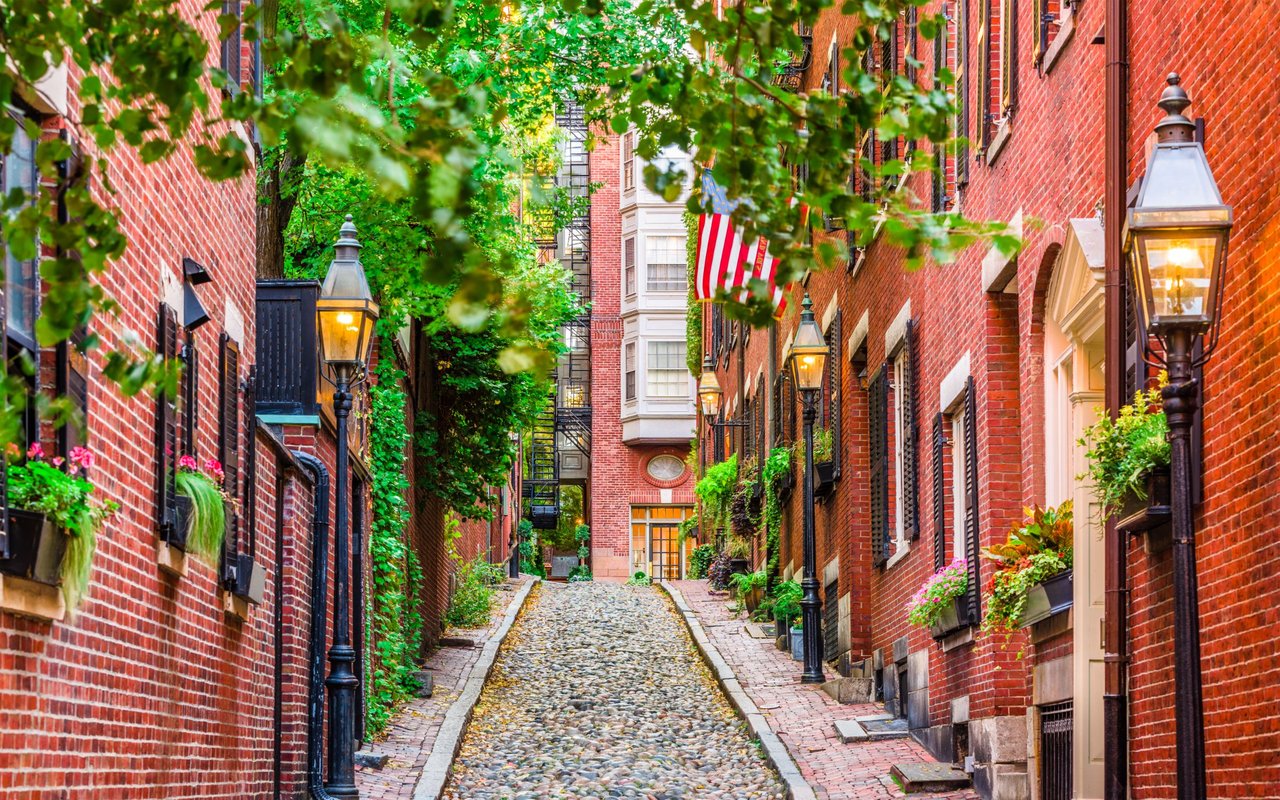
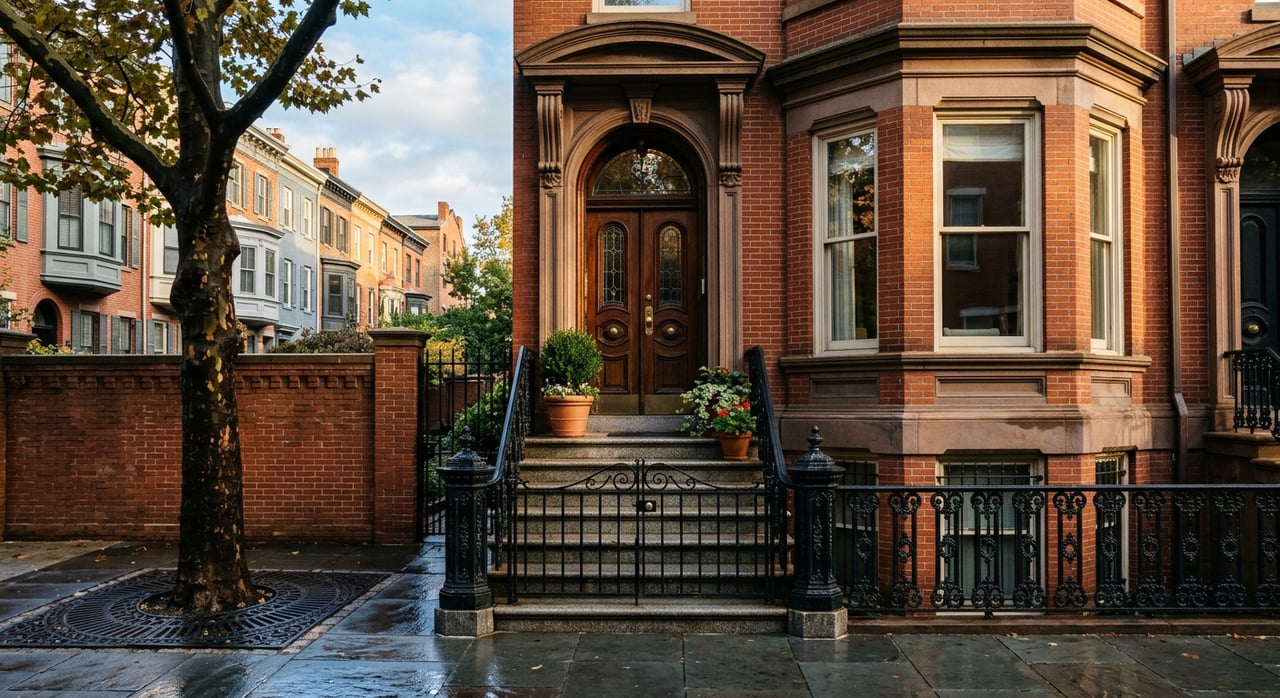
A big part of that identity comes from the built environment. The area developed from the 1850s onward on filled marshland, and the neighborhood’s landmark-district history helped create long, visually consistent rows of Victorian rowhouses and brownstones. That is why many streets feel cohesive and elegant rather than pieced together block by block.
You also notice that the South End has a strong sense of place. Main streets like Tremont Street, Columbus Avenue, and Massachusetts Avenue anchor the neighborhood, while smaller residential blocks give you a more tucked-in feel. It is dense and active, but it still has visual rhythm and structure.
South End Feels Walk-First
If you like handling a lot of your day on foot, the South End supports that lifestyle well. Many daily errands, meals, coffee runs, and weekend plans can happen within a relatively compact area. That walkability is one of the biggest reasons people are drawn to the neighborhood.
Boston’s transit and street-planning updates also point to a neighborhood where walking, biking, and bus travel matter more than a daily driving routine. The Washington Street corridor carries Silver Line 4 and 5 and is also served by routes 1, 8, 10, 11, 19, 47, and 170. In practice, that means you often have options when you need to get across the city.
Bike access is also improving. The city has built a separated bike lane on Berkeley Street from Tremont Street to Columbus Avenue and completed the Tremont Street redesign in 2024 with dedicated bike space and pedestrian-safety changes. Planned separated bike lanes on Albany Street are intended to connect the South End to the South Bay Harbor Trail corridor.
Parks Are a Real Part of Daily Life
For a dense Boston neighborhood, the South End stands out for green space. Boston says the area has nearly 30 parks, which is a big part of why the neighborhood can feel more balanced than people expect. Even if you live in a compact urban setting, you are not far from a place to slow down.
Blackstone and Franklin Parks are among the neighborhood’s classically designed open spaces. They add breathing room to the streetscape and help break up the density of the built environment. You feel that contrast when you move from a rowhouse-lined block into a park with mature landscaping and open sightlines.
Peters Park is especially important in everyday routines. Boston lists it as a dog park, athletic field, basketball area, playground, and tennis facility, making it one of the neighborhood’s most flexible community spaces. The city has also described it as one of Boston’s most popular dog recreation spaces.
Titus Sparrow Park is another key neighborhood green space, and it reopened in 2024 with new play equipment, updated courts, improved lighting, drainage work, and hardscaping. If your routine includes time outside, a dog walk, or a quick stop at the playground, spaces like Peters Park and Titus Sparrow Park make that easy.
What dog owners should know
If you have a dog, the South End can be especially appealing because outdoor space is built into neighborhood life. Boston allows dogs in ordinary parks on leashes up to eight feet, while off-leash use is limited to designated dog recreation spaces. In a dense area, that kind of structure matters because it helps define where dogs can play more freely and where leash rules apply.
Dining, Shopping, and Weekend Energy
The South End has one of the stronger food-and-retail identities in Boston. Boston points to Tremont Street as Restaurant Row, and that label gives you a good sense of what to expect. You are in a neighborhood where dining out is not a special-occasion activity only. It is part of the weekly rhythm.
Shawmut Avenue adds another layer with boutiques and restaurants along a tree-lined street. That corridor tends to feel slightly different from the busier dining stretches, giving you a mix of neighborhood-scale retail and places to stop in throughout the day. It adds texture rather than just more volume.
Harrison Avenue and the SoWa district bring a more creative, warehouse-to-gallery feel. SoWa is described as a mix of restaurants, artist studios, galleries, home decor showrooms, and fashion boutiques in reclaimed warehouse buildings. That gives the South End a different kind of energy than neighborhoods built around only nightlife or only residential streets.
SoWa shapes the weekend vibe
On Sundays from 10 a.m. to 4 p.m., SoWa Open Markets add a steady pulse of activity to the neighborhood. First Fridays and the cluster of galleries and artist studios also keep the district active beyond a basic shop-and-go pattern. The SoWa Artists Guild says 450 Harrison Avenue sits at the heart of the district with more than 20 galleries and over 80 artists, which helps explain why the South End often feels culturally active, not just commercially busy.
What a Typical Day Can Look Like
For many residents, the South End supports a compact, efficient routine. You might start your morning with a walk through Peters Park or Titus Sparrow Park, grab coffee nearby, and handle errands on foot. By the end of the day, dinner on Tremont or Shawmut may be just a short walk from home.
Weekend patterns often feel even more neighborhood-centered. You can spend time in a park, browse around SoWa, or check out galleries and studios near Harrison Avenue without needing to map out a full cross-city plan. That ease is part of what makes the area feel practical as well as attractive.
Commutes also tend to follow the neighborhood’s car-light pattern. Rather than depending on a daily drive, many residents rely on Washington Street bus service, Silver Line access, walking routes, or bike corridors on Berkeley, Tremont, and eventually Albany. If you prefer an urban routine where movement feels built into the neighborhood itself, the South End fits that model well.
The Tradeoff: Active, Not Sleepy
The South End’s convenience comes with a clear tradeoff. This is a denser, more active part of Boston, and the city’s transportation work on Tremont and Washington reflects that focus on safety, curb management, and travel reliability. In simple terms, the neighborhood is designed to function as a busy urban place.
That means the South End may not be the best fit if you want suburban-style parking ease or a very quiet, low-traffic setting. The appeal here is access, energy, and closeness to city life. If that is what you want, the tradeoff often feels worthwhile.
For the right renter or buyer, that balance is exactly the point. You get historic architecture, a strong restaurant scene, meaningful park access, and practical transportation options in one of Boston’s most recognizable neighborhoods. The South End tends to work best when you want to be in the middle of things, not removed from them.
Who the South End Fits Best
The South End is often a strong match if you want an urban neighborhood with character and convenience. It works well for people who value walking to restaurants, spending time in local parks, and using transit or bikes as part of everyday life. It can also appeal if you enjoy a neighborhood that feels visually distinctive and culturally active.
It may be less ideal if your top priorities are easy car storage, quieter streets at all times, or a more suburban pace. The South End is polished, historic, and highly livable, but it is still very much a city neighborhood. Knowing that upfront helps you set the right expectations.
If you are weighing a rental, condo purchase, or future sale in the South End, local neighborhood and building-level insight can make a real difference. Working with a team that understands downtown Boston block by block can help you narrow in on the right fit faster. To talk through your options, connect with Downtown Boston Realty.
FAQs
What is daily life like in the South End, Boston?
- Daily life in the South End often feels walkable, active, and city-centered, with easy access to parks, restaurants, galleries, bus routes, and bike corridors.
Is the South End in Boston good for people who want parks nearby?
- Yes. Boston says the South End has nearly 30 parks, including well-known spaces like Blackstone and Franklin Parks, Peters Park, and Titus Sparrow Park.
Is the South End, Boston, a good neighborhood for dog owners?
- It can be, especially because Peters Park is a major dog recreation space and the neighborhood has many parks, with city rules allowing leashed dogs in ordinary parks and off-leash use only in designated dog recreation spaces.
What is the restaurant and shopping scene like in the South End, Boston?
- The South End has a strong dining and retail scene, with Tremont Street known as Restaurant Row, Shawmut Avenue offering boutiques and restaurants, and Harrison Avenue and SoWa adding galleries, studios, markets, and showrooms.
Is the South End, Boston, easy to get around without a car?
- Often, yes. The neighborhood is supported by walking, bike routes, and bus service including Silver Line 4 and 5 along Washington Street, plus several additional bus routes.
Is the South End, Boston, quiet or busy?
- The South End is generally more active than sleepy, with dense streets, active retail corridors, and transportation improvements that reflect a busy urban environment rather than a low-traffic setting.